
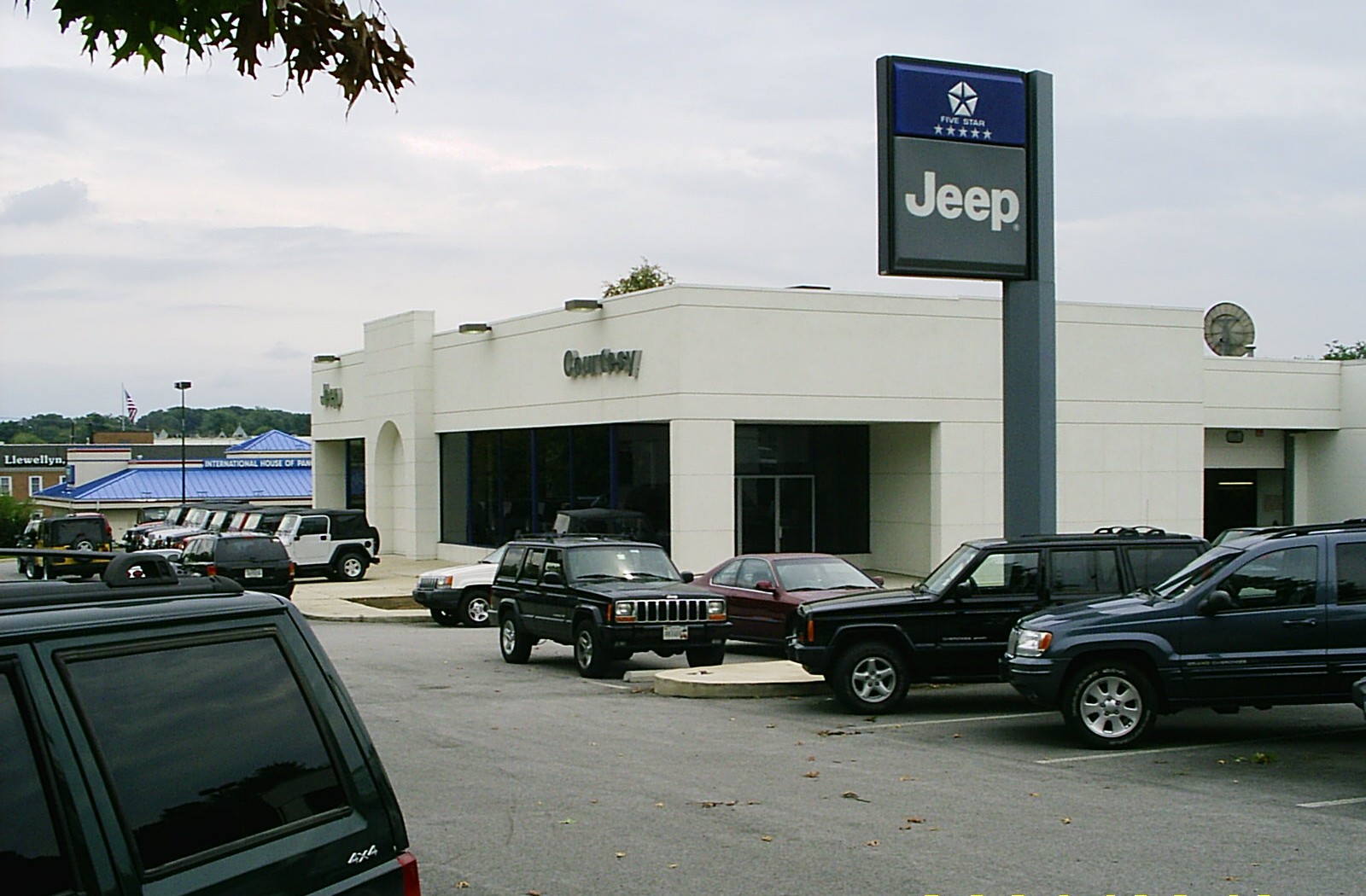
Sub-prime auto-lenders such as Tricolor Holdings are collapsing – as more workers are late on their car payments. The sub-prime auto loan delinquency rate (meaning auto loans lent to borrowers with credit scores below 620) is now at 15.78%, at a level unseen since 2000 and surpassing both the height of the COVID-19 pandemic and the imperialist financial crisis of 2008. Delinquency rate for prime or near-prime loans also continue to rise, as used car dealerships witness massive drop in stock value and go out of business.
In simple terms, owning a car has become more expensive, especially for the working class. Average monthly payments have jumped nearly 35% since 2020, as insurance premiums have increased 12% since last year. As poorer buyers take out long loans to cope with this, the rising interest rates and longer terms that followed continue to drag them into financial difficulties.
But auto loans are not unique. On November 24, the Federal Reserves reported in a note that consumer delinquency rate has reached “levels not observed” since 2008. Credit card loan delinquency rates have witnessed a great increase from all borrowers, especially those with subprime and near-prime credit status and renters. According to the Department of Education, almost 25% of the entire federal student loan portfolio could be in default “in a few months”. To make up for these losses, the Trump administration will begin garnishing wages (i.e. making involuntary collections from workers’ paychecks) from those in default under the “Treasury Offset Program” in 2026.
Why are people not paying their loans on time? In fact, the rising loan delinquency rate is just the tip of the iceberg. More and more Americans have stopped buying things, while “buy now, pay later” options have gotten popular even in grocery shopping. The bourgeois economists have described the phenomenon as a “K-shaped economy”. In their words, while the lowest and lower-income households have supposedly “stopped spending”, the “highest earners and the richest corporations” are witnessing booms: to map this out neatly on a graph, it would look like the two legs of the letter “K”.
For example, the much talked-about AI industry has witnessed tremendous growth. Traditional Big Tech companies and new players like OpenAI, indulging in billions of dollars in revenue and speculation, are also spending massively. Nonetheless, this growth is not limited to the AI market. Big corporations, from oil all the way to food packaging industries, are yielding greater profit and in turn, spending more: like the AI business, they prioritize in machinery and infrastructure. The wealthiest 10% of the population now makes up nearly 50% of all consumer spending in the United States.
For mainstream economists, the reasons for this trend are a mystery. For a worker, however, it is easy to see the relationship between both legs of the so-called “K”. In the words of Karl Marx, capital accumulation is increasingly taking the form of “rising organic composition of capital”, meaning firms substitute labor power for means of production (machines) in competitive struggle. This and other inherent trends of the imperialist-capitalist system produce a greater and greater impoverishment of the working class.
What this concretely means is more surplus of the working population: more unemployment and more general impoverishment. In November 2025, the unemployment rate has risen to 4.6%, the highest since 2021, as inequality has widened to an extreme level. While the big capitalists are entering more and more of a frenzy in their exploitation of the working class in an attempt to outrun the falling rate of profit, they do so in a futile manner – as overproduction continues, the economic crisis is only bound to deepen.