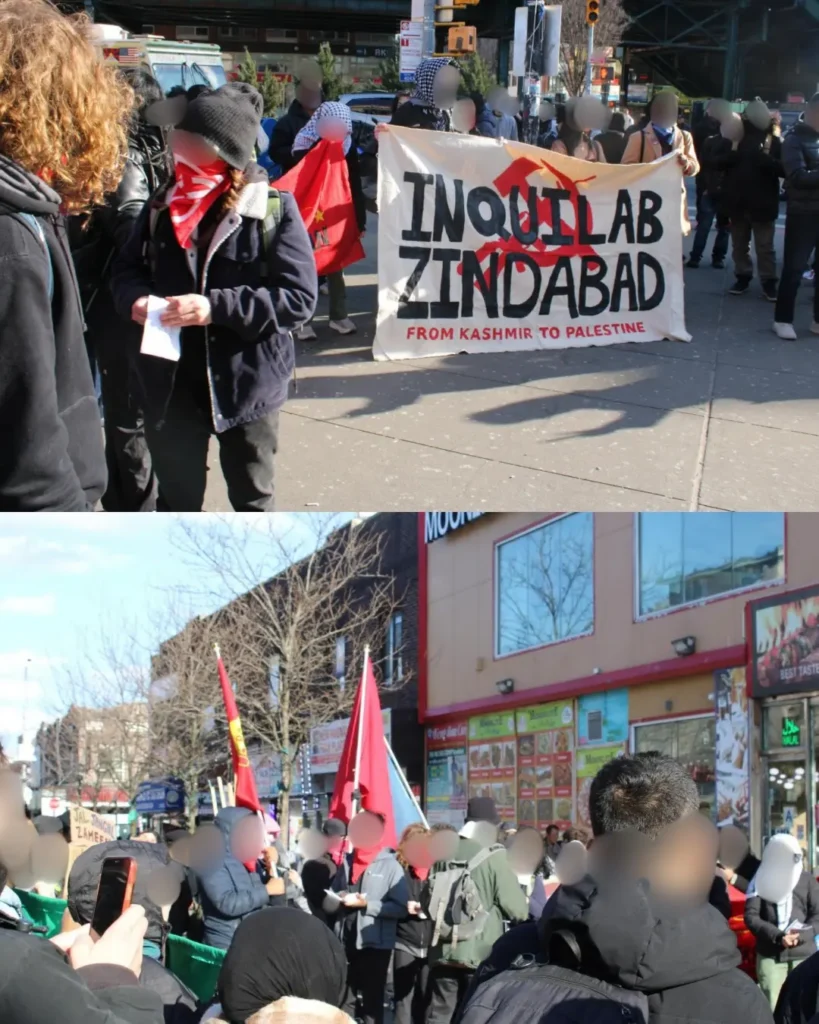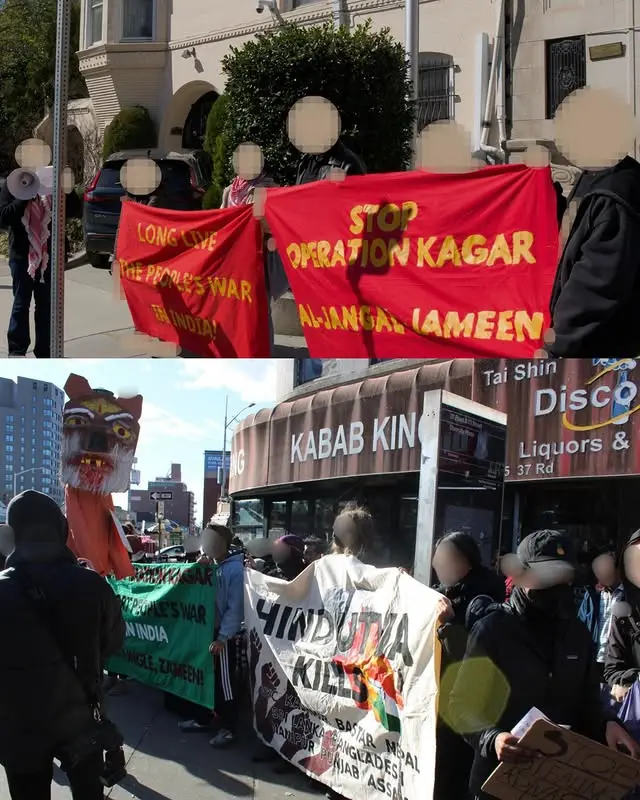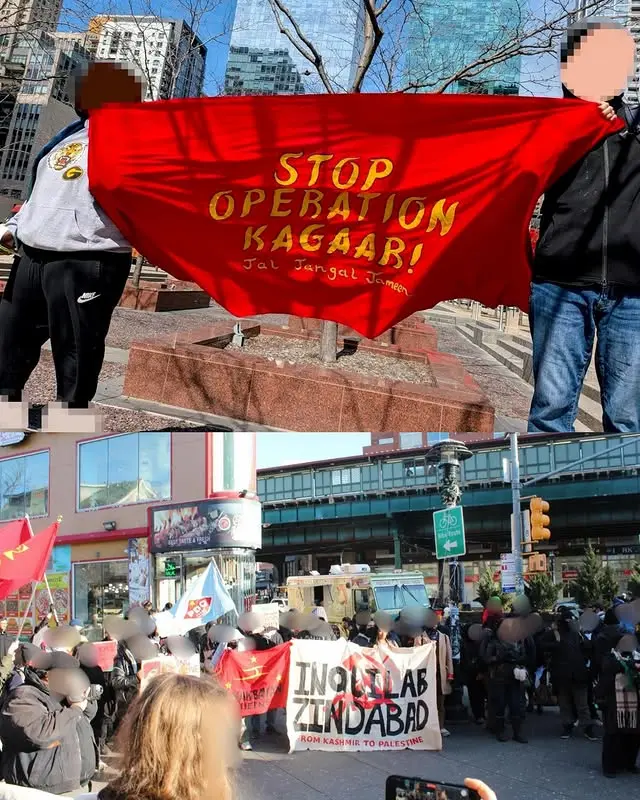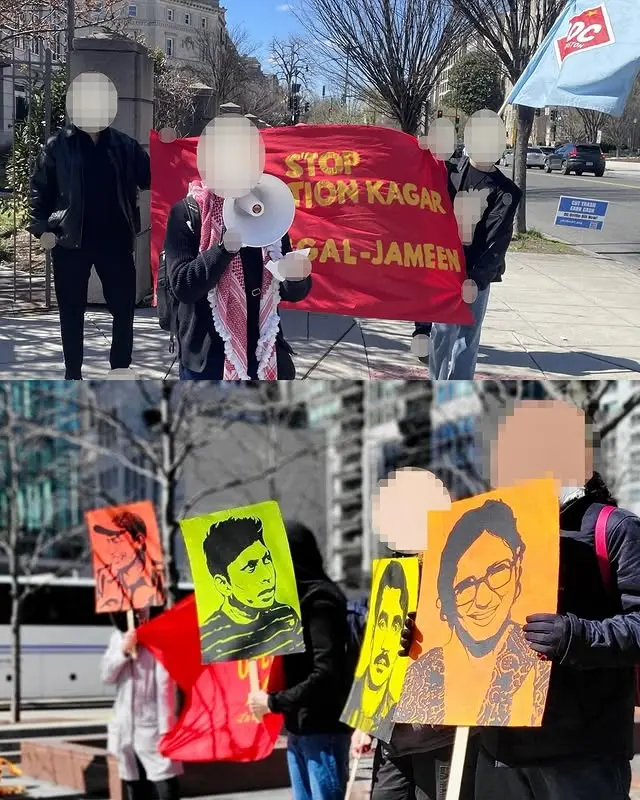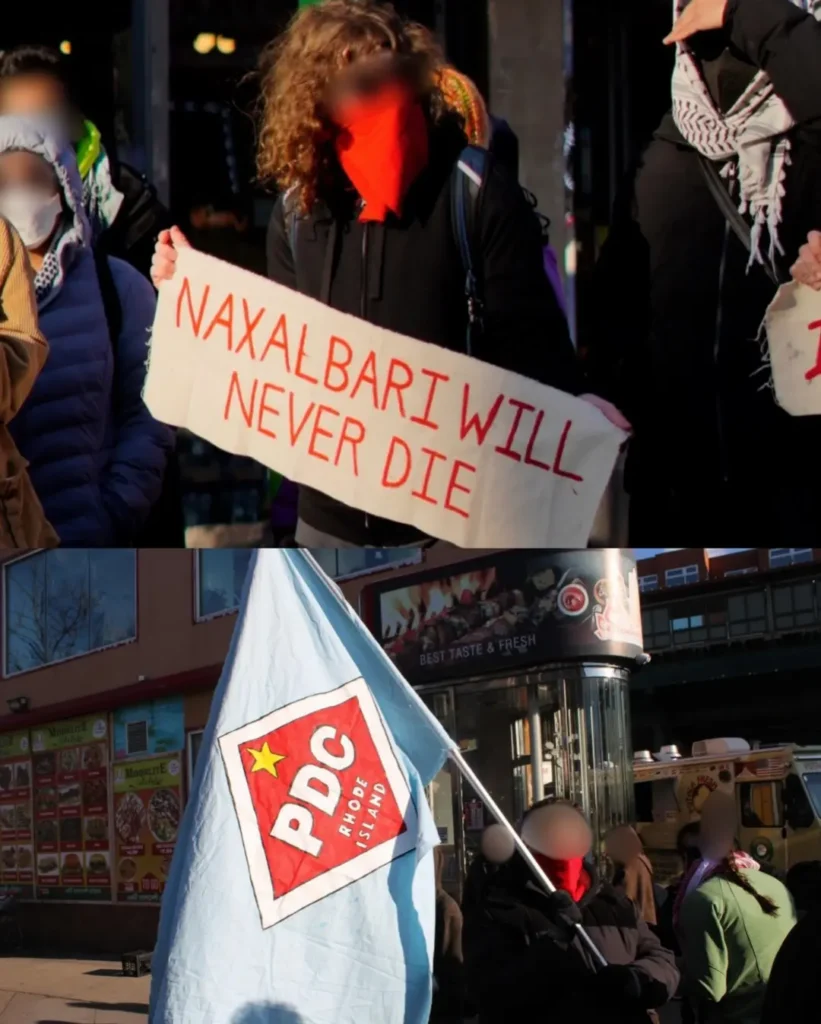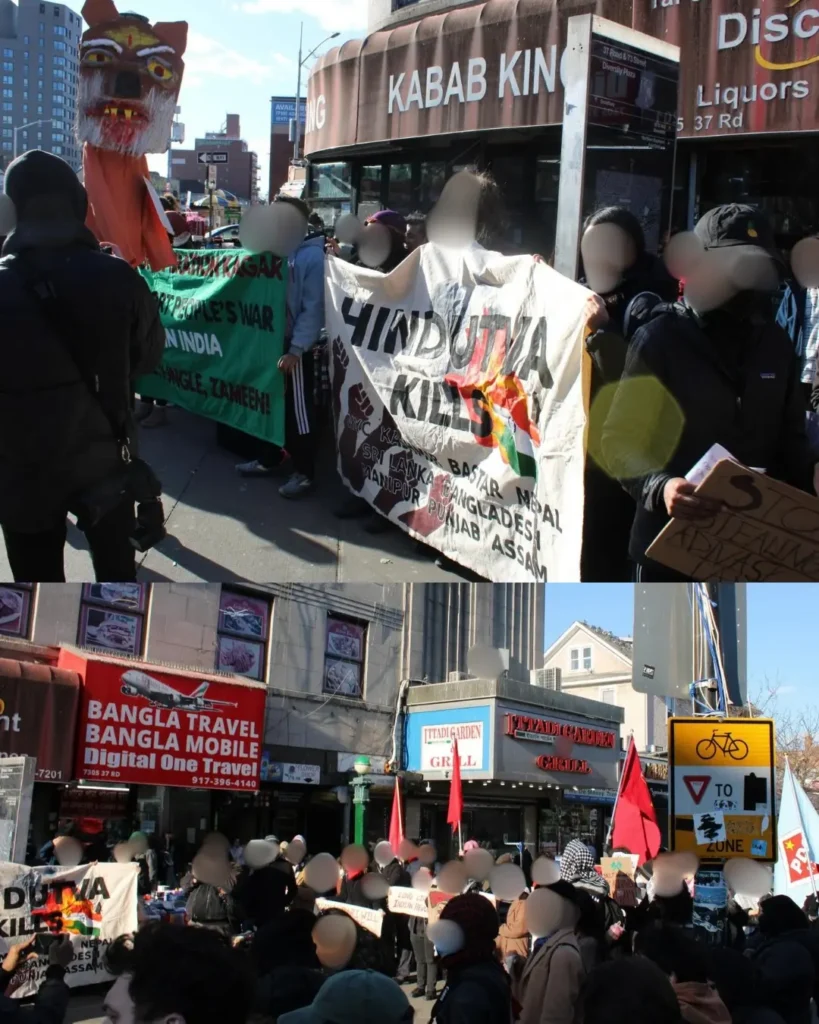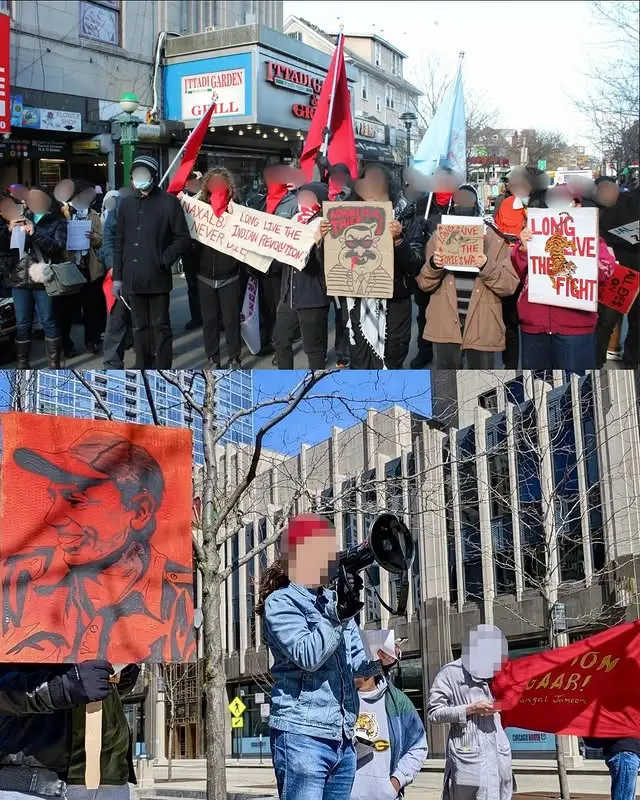
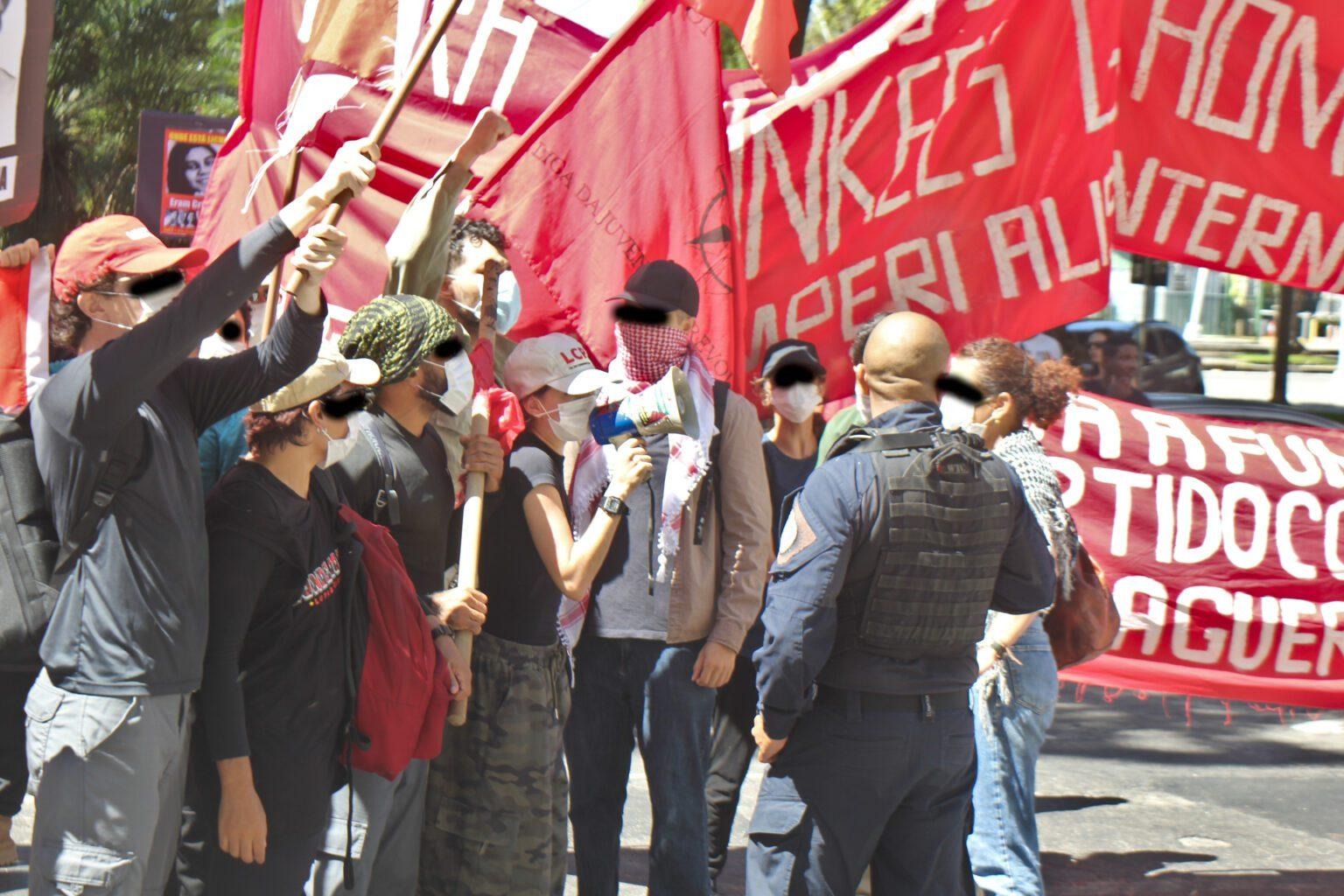
On March 28, Communists, revolutionaries, and democrats around the world mobilized against the genocidal Operation Kagaar launched by the fascist Old Indian State. The international day of action was called by Forum Against Corporatization and Militarization (FACAM), a coalition of progressive and democratic mass organizations in India.
The day, a part of the anti-imperialist week that took place in the last week of March, serves as a powerful response against Indian Union home minister Amit Shah’s boastful claim to render the country “Naxal-free” by March 31, 2026. For the past year, the Old Indian State has worked toward this goal, utilizing genocidal tactics such as extrajudicial executions, fake surrenders, and relocation of peasant and indigenous masses. Despite the complex difficulties and the emergence of a liquidationist line within the Communist Party of India (Maoist), however, the armed struggle continues to persist, demolishing the vain dreams of the big capitalists and landlords. The Indian Communists have demonstrated that the revolution will continue until the semi-feudal, semi-colonial reality of the country is resolved through the only possible path of a new-democratic revolution for genuine freedom and democracy.
From London to Washington D.C., from Rio de Janeiro to Manila, thousands heeded the call raised by FACAM in the spirit of proletarian internationalism and the firm solidarity with the struggling people of India, led by the vanguard of the Indian working class, the CPI(Maoist).
The Communist Party of the Philippines, which is leading a new-democratic revolution in the Philippines, released a statement on March 28 titled “The Indian People and their Revolutionary Movement Will Emerge Victorious Against Operation Kagaar”. In the statement, the Filipino Communists pointed out with clarity that so long as exploitation persists, the people will resist. “The liberation of our countries from imperialist oppression and domination would serve as an invaluable contribution to the global struggle against imperialism and for freedom and socialism,” declared the Party.
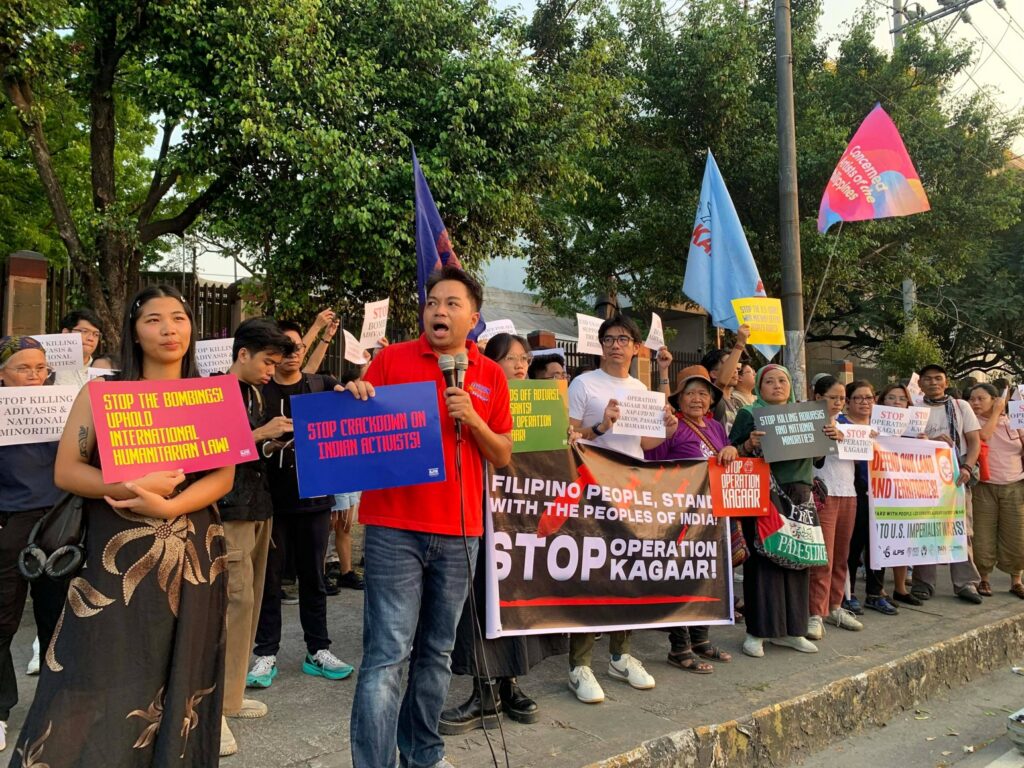
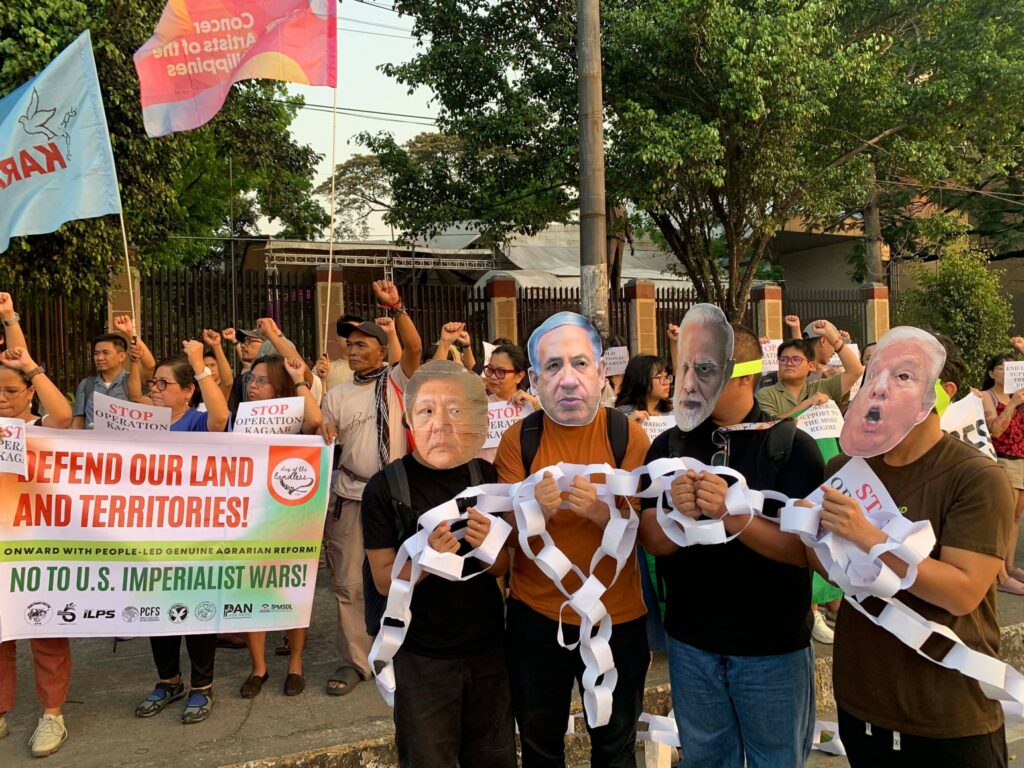
In Manila, Philippines, a demonstration was held jointly by different sectoral mass organizations such as KATRIBU and KARAPATAN alongside the International Indigenous Peoples Movement for Self Determination and Liberation. The action highlighted similar struggles of the Filipino people and peoples of India against violent counterinsurgency wars carried out by fascist Old States.
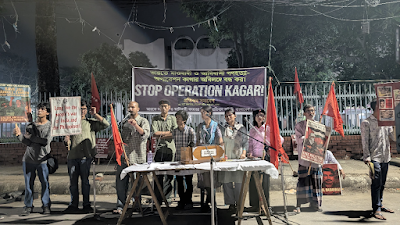
In Dhaka, Bangladesh, a protest rally was held opposing Operation Kagaar. A condolence resolution was read in memory of the martyrs, as well as those killed in unjust wars across the world, including in Palestine and Iran. Speeches from different mass organizations were made and cultural performances took place.
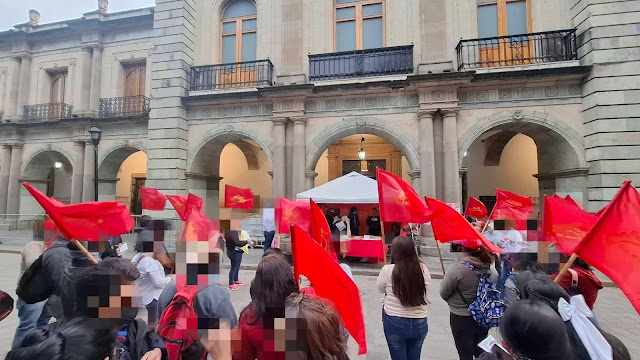
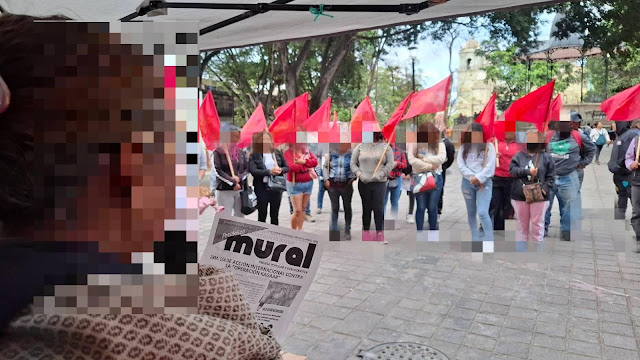
In Oaxaca, Mexico, the Red Sun People’s Current alongside other mass organizations held a day of mobilization and propaganda against Operation Kagaar. Mass activists distributed thousands of copies of the Mural magazine issue on the Indian revolution.
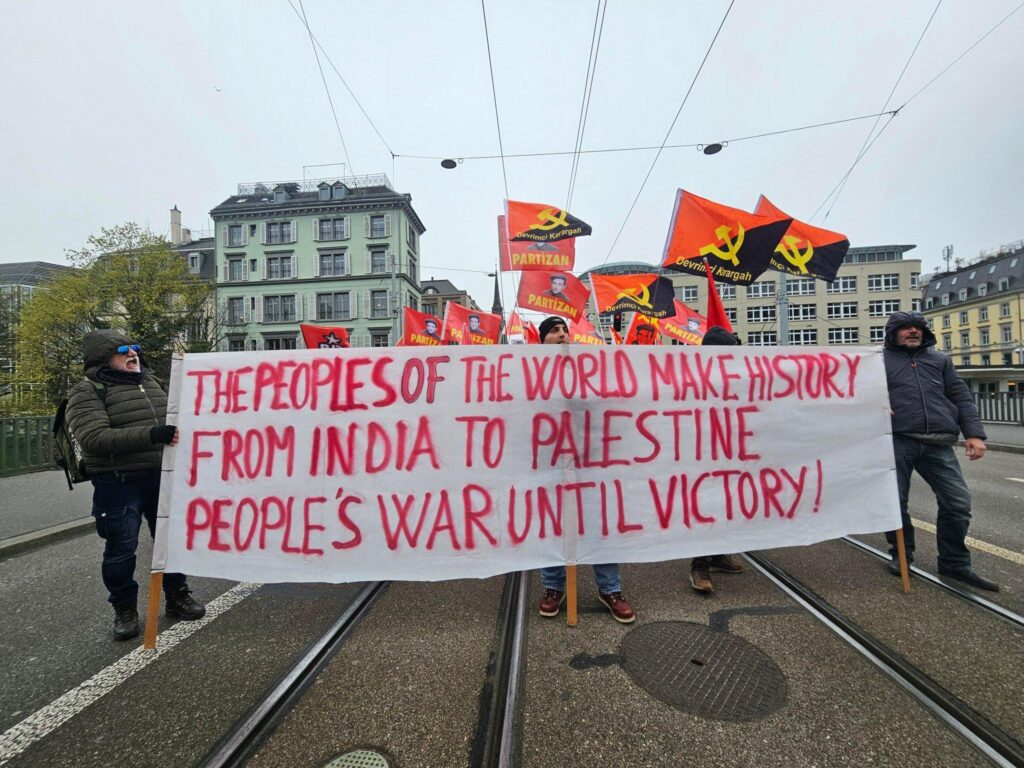
In Zurich, Switzerland, more than a hundred activists from different progressive Turkish, Swiss, and Italian organizations gathered to march in support of the Indian revolution. The activists raised their voices against the bombardments carried out in civilian areas by Operation Kagaar, the forced displacement, the destruction of nature by mining companies, the executions, and the torture of prisoners, and demanded that these operations be ended immediately.
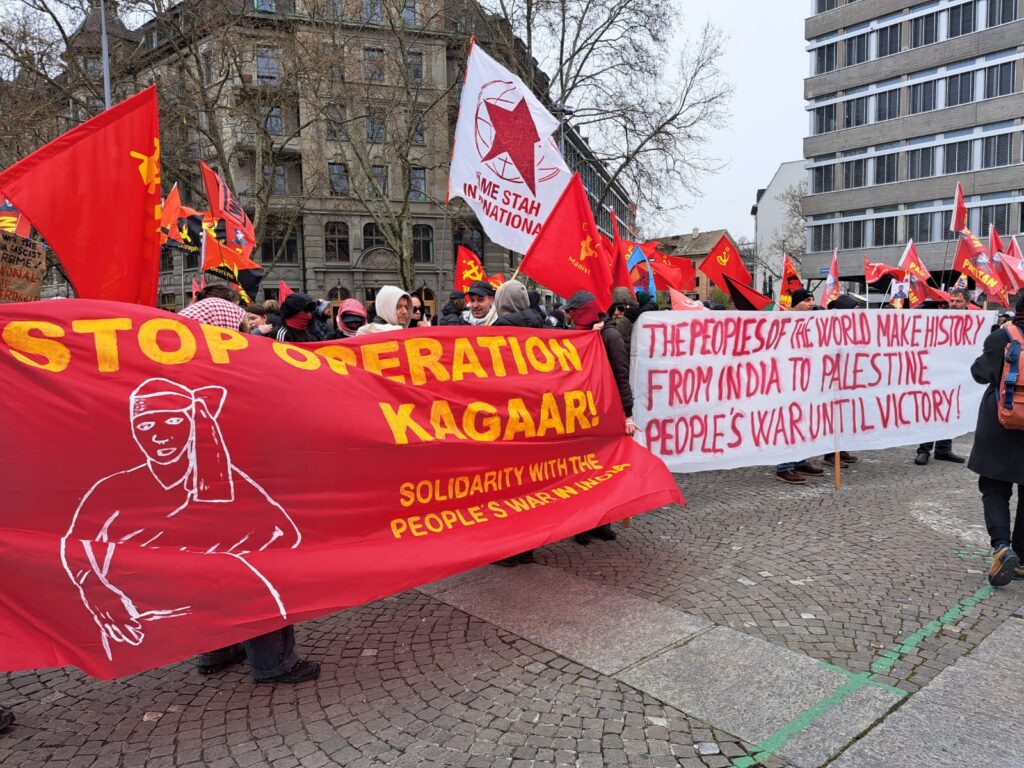
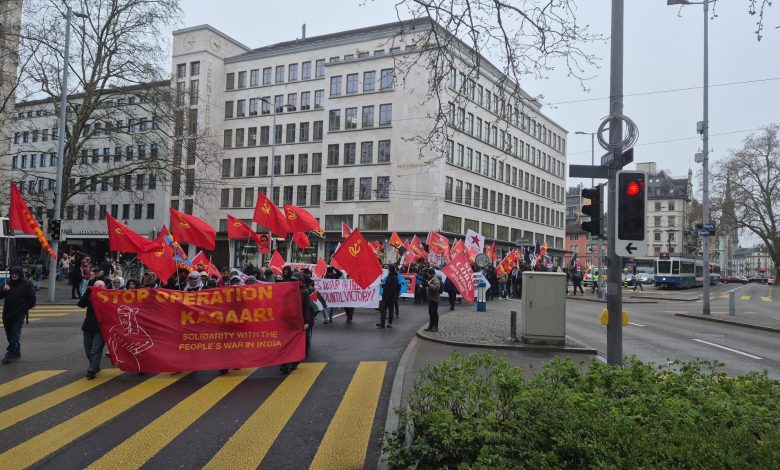
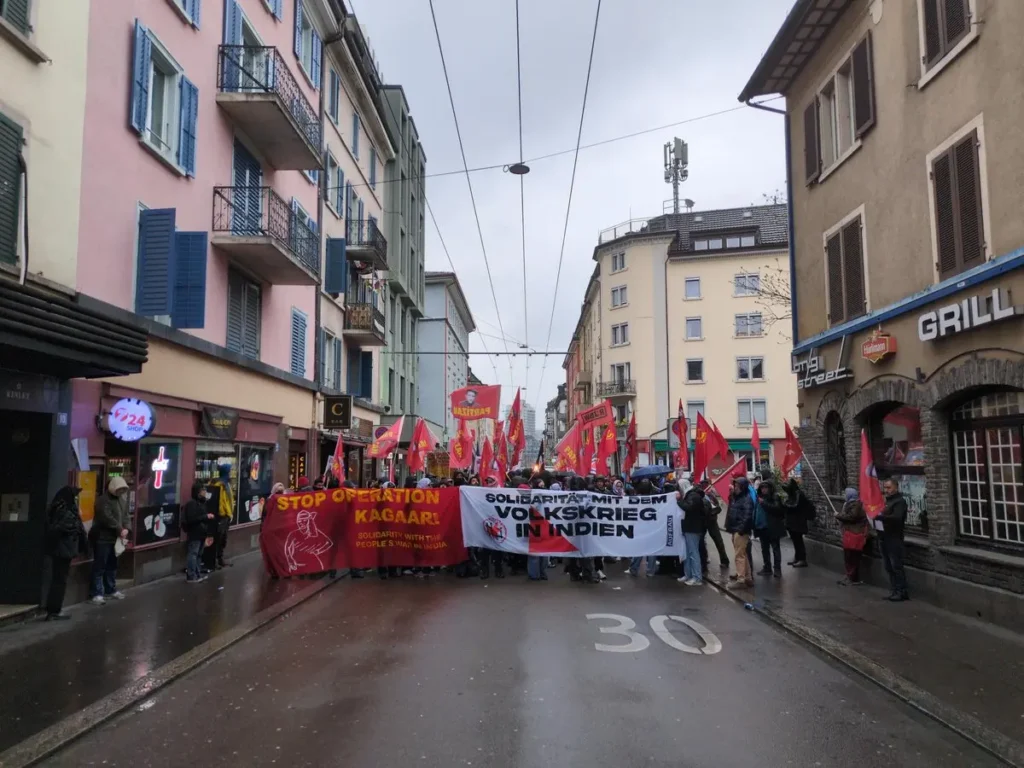
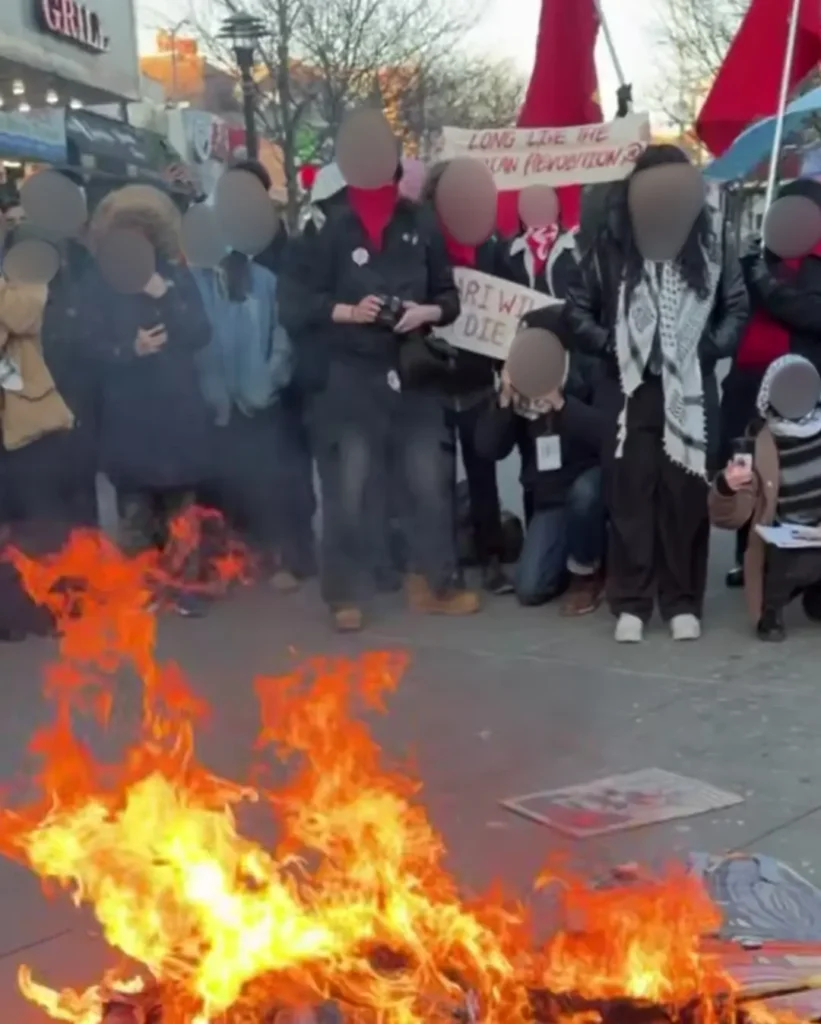
In Brazil, more than a hundred activists from the League of Poor Peasants, Workers’ League, and other trade unions and mass organizations marched through the streets of Rio de Janeiro. An effigy of the Indian prime minister Narendra Modi was burned.
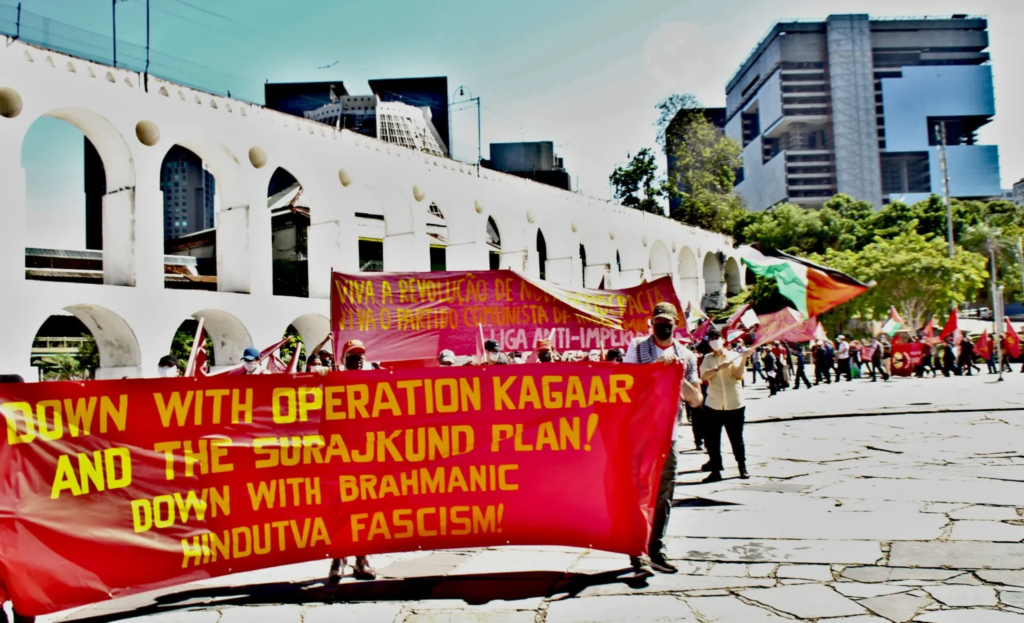
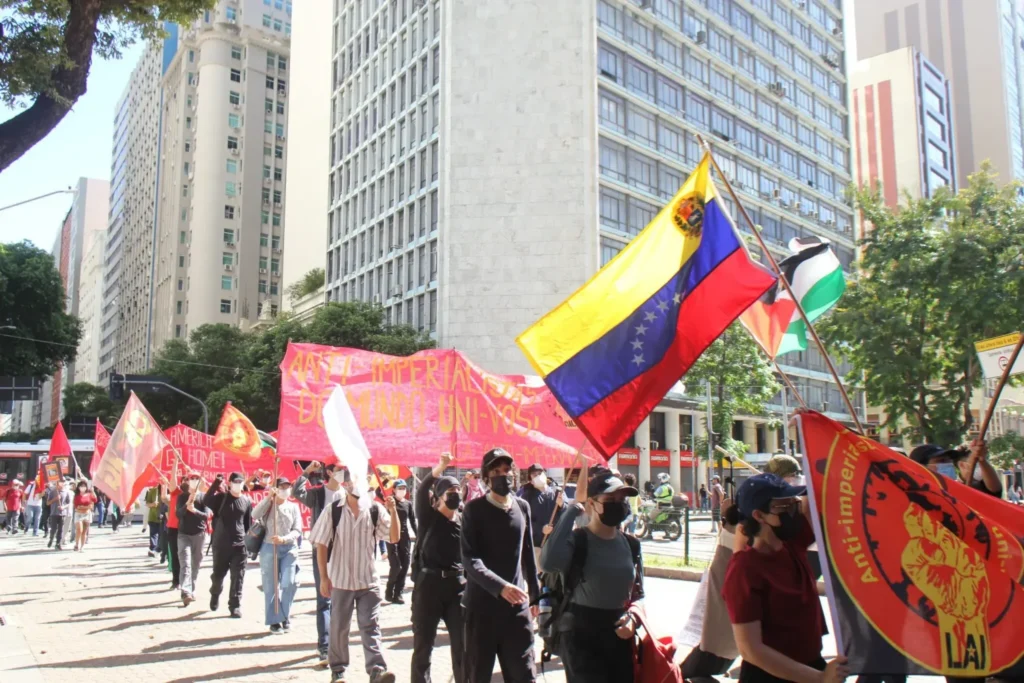
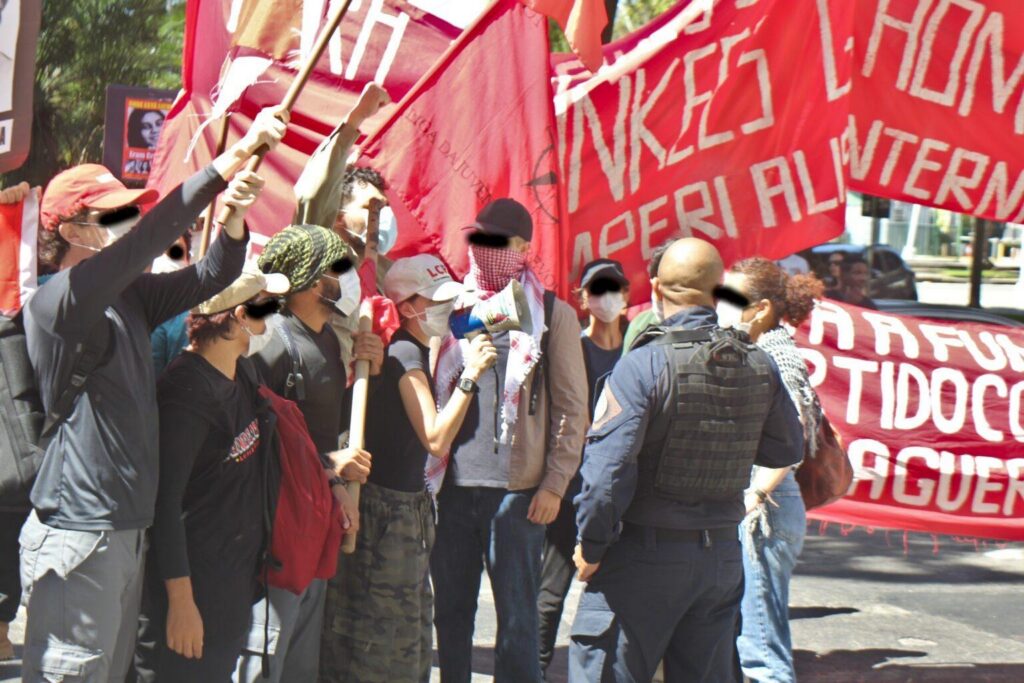
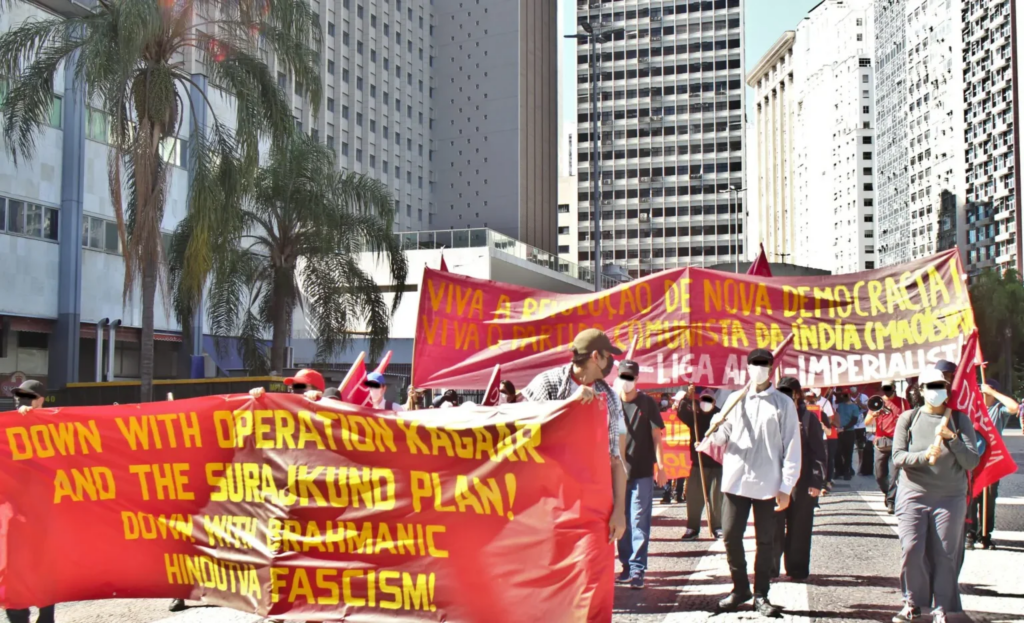
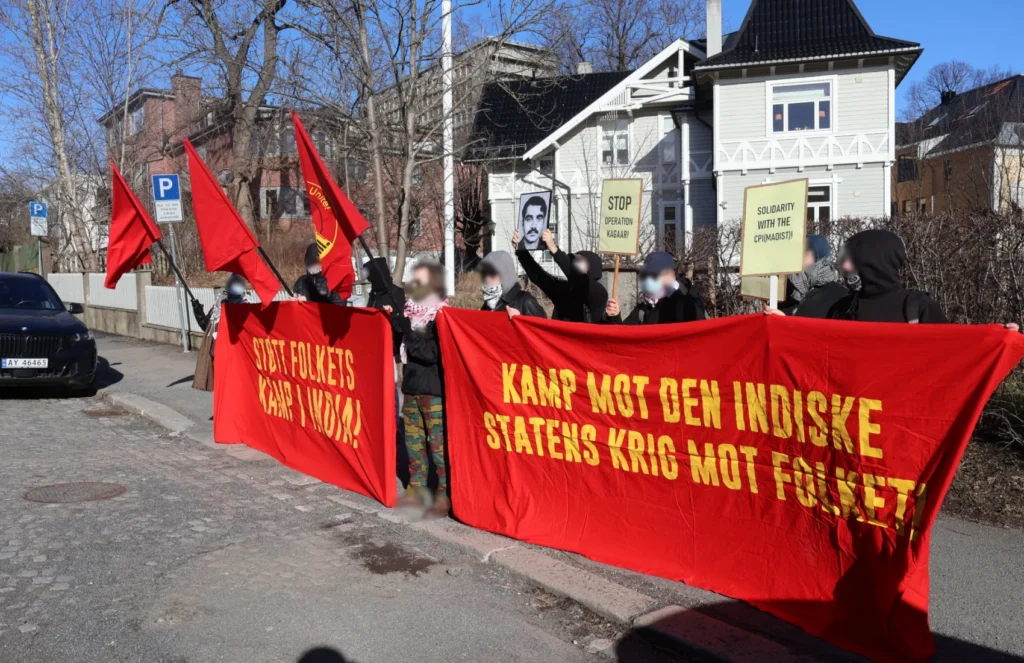
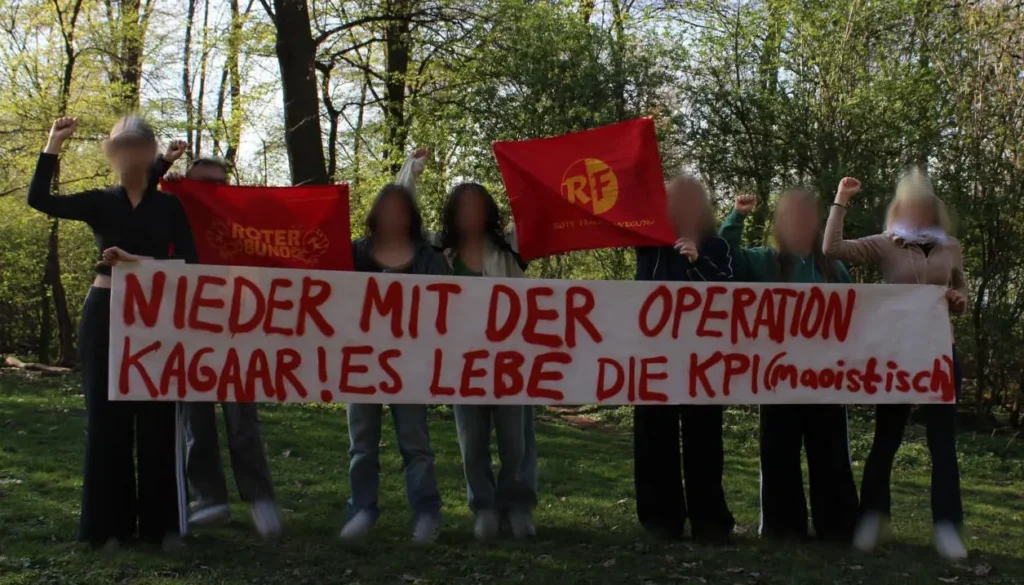
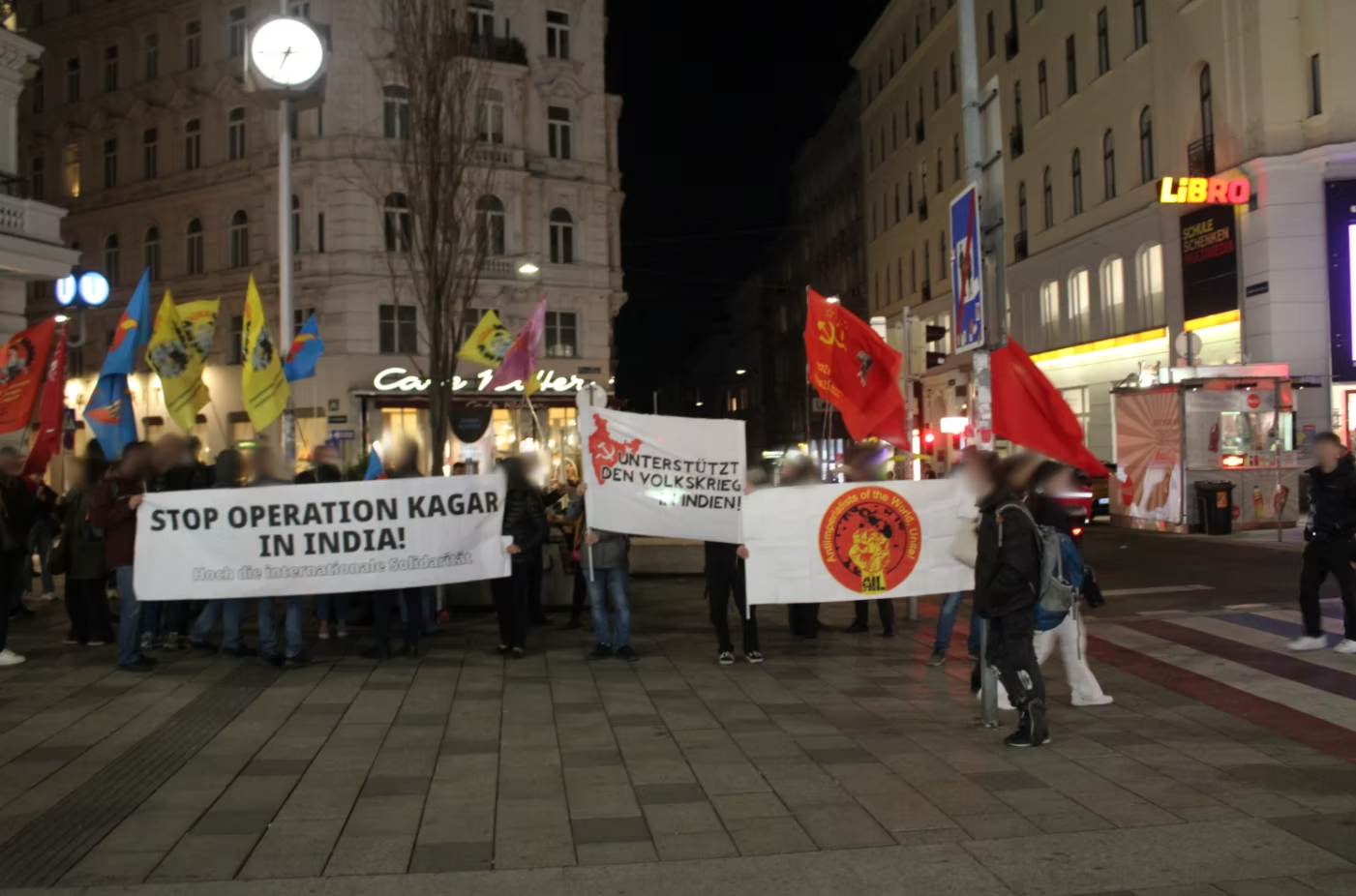
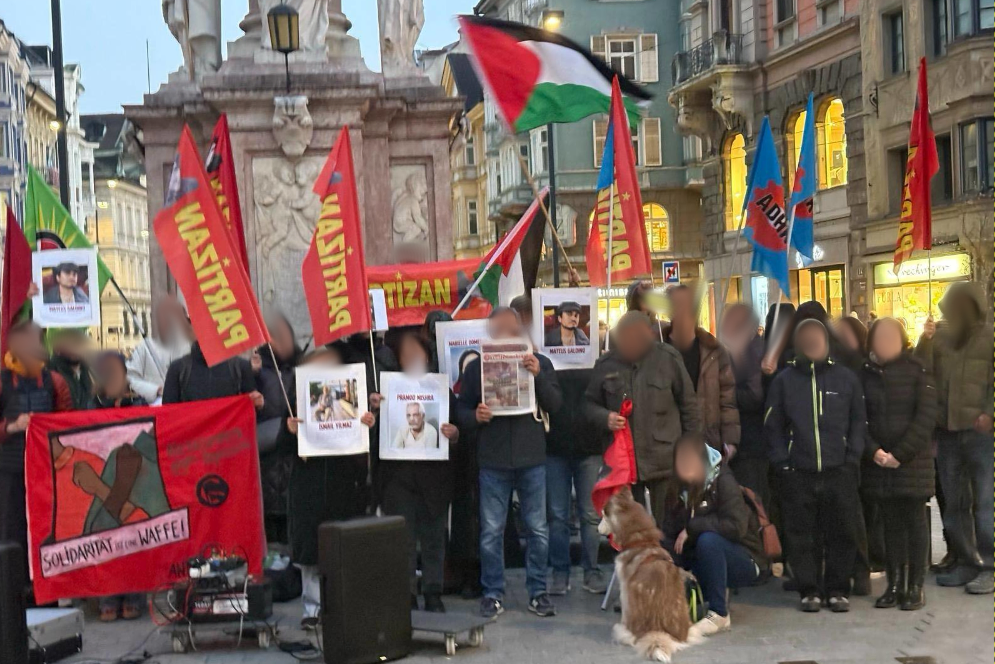
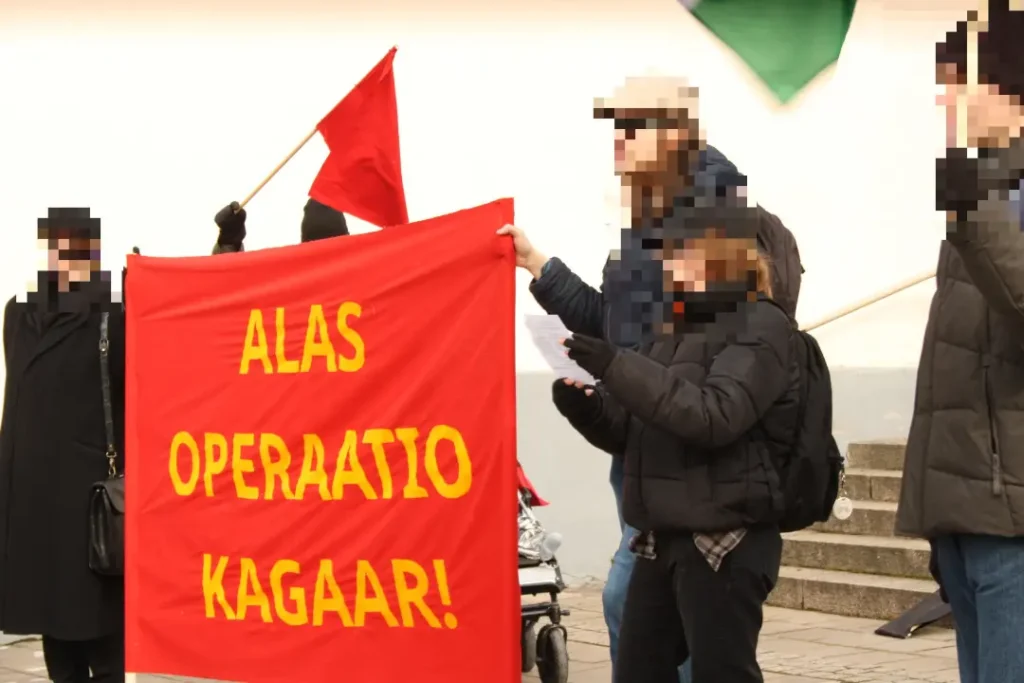
Other demonstrations were held in the United Kingdom, the Netherlands, Germany, Norway, Finland, among other places.
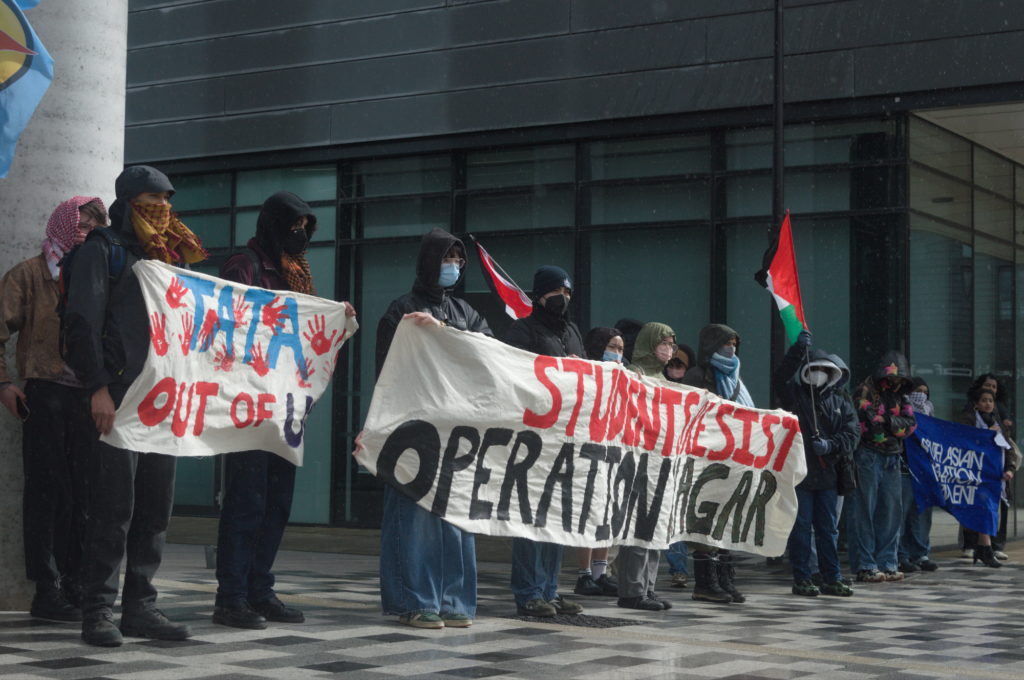
In the United States, revolutionary mass organizations such as People’s Defense Committee, Revolutionary Student Union, New Labor Organizing Committee, and others organized a series of actions throughout the country including marches, rallies, and educational discussions. Information on the Indian revolution and Operation Kagaar were widely propagated and distributed.