Identifying the relative heights of the movement of exploited and oppressed masses in the United States is just as important as identifying its failures and errors. If we are unable to recognize our victories, we cannot proceed from the highest peaks of our movement and are unable to preserve our most important lessons. When we assess our history, The Partisan pays close attention to two parallel, overlapping, and complimentary trends, the working-class movement and the movement of the oppressed nations. From these two trends we identify three key chapters of resistance against the ruling class: 1) the high points of mass struggle in the pre-Communist era, 2) the left-line of the CPUSA during the 1920s-1930s period, and 3) the armed struggle waged by New Afrikan and Puerto Rican revolutionaries in the 1960s-1980s. Each chapter is rich with lessons when analyzed through the powerful and universal framework provided us by the ideology of our class.
The first chapter we must study is chronologically the longest, and also the most diverse and varied. A true Communist Party was not consolidated in the United States until 1919, as a result of the October Revolution and by direct intervention of Lenin’s Third Communist International. Nevertheless, there are many great historical and political lessons to gather from the pre-CPUSA period, which featured some of the multinational US masses’ greatest feats of spontaneous resistance and struggle.
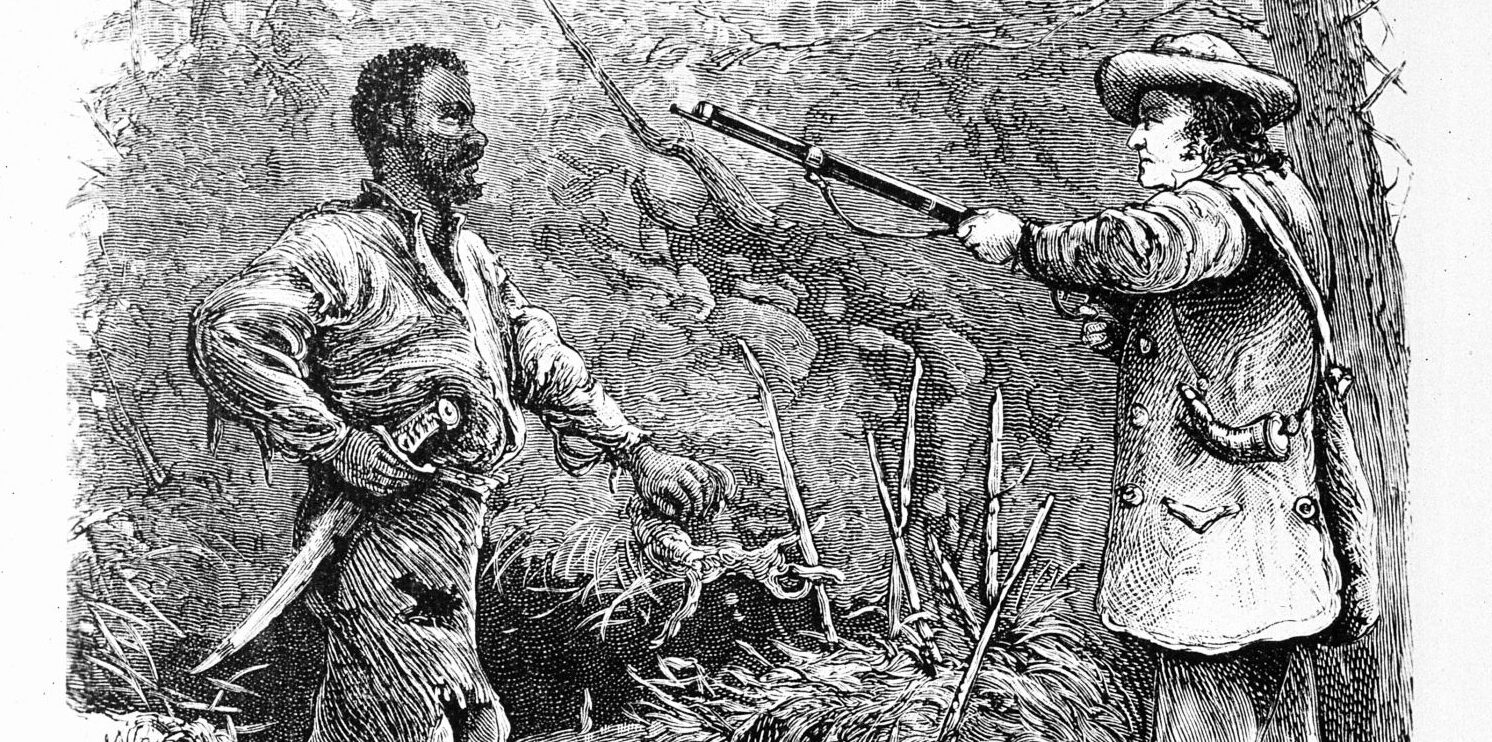
Revolutionaries and communists in the United States must study, commemorate, and learn from these mass rebellions, for it is the masses alone who make history through struggle. We must study the great revolts of enslaved peoples which form the basis of the New Afrikan revolutionary tradition: Nat Turner, the Stono and Chesapeake rebellions, the guerrilla activity of New Afrikans during the Civil War, among others. We must study the great wars of resistance of the Indigenous peoples: Tecumseh’s War, the Muscogee revolt, and others, many of which overlapped with New Afrikan tradition in events like the Second Seminole War. We must analyze positive and negative lessons from the greatest struggles of the pre-1919 trade union movement, like the Pullman and Homestead strikes, and the lines and policies of its organizations like the Industrial Workers of the World (IWW), the Socialist Party, and the Socialist Labor Party.
The second key chapter we must study is the theory and practice of the left line within the Communist Party of the United States (CPUSA). The influence and leadership of this left line reached its highest peak during the Third Period, which lasted from around 1928 to 1932. The works of leaders such as William Dunne, Harrison George, and Mary Inman, as well as documents produced during the Third Period such as the 1928 and 1930 resolutions regarding the “Negro Question,” and the program of the Trade Union Unity League, are treasures born out of the struggle for socialism, out of the struggle against the revisionism of the CPUSA right-line. Of special attention are also the writings of the Communist International as relates to the “American Party” and the “American Question” during the 1920s and 1930s.
Comrades should also analyze the lessons of the great mass struggles of this period, in addition to the documents that originate in the two-line struggle between the CPUSA left- and right-wing. Look to the work of the Alabama Sharecroppers Union, the Gastonia strike, the Coal Wars, the unemployed councils, and other great battles of the class at this time. The study of this second key chapter in the history of our movement is vital for understanding what an anti-revisionist line looks like in practice when applied to US national conditions.
The third key chapter for comrades to study are the armed struggles led by the national liberation movements of the 1960s-1980s period. In particular, the historical and political lessons generated through the war waged by New Afrikan groups like the Black Liberation Army, and Puerto Rican groups like the Ejercito Popular Boricua (commonly known as the Macheteros). Although mired in focoism and eclecticism, the national liberation struggles of this period represent the relative peak of armed struggle waged in United States during the era of imperialism and proletarian revolution. Taken from the point of view that the struggle of workers and the struggle of the oppressed nations in the United States are the two essential and inseparable questions of our path to socialist revolution, the positive and negative lessons of this chapter take on vast significance which merit meticulous and correct study, in addition to their relevance in understanding what the struggle for political Power for US multinational proletariat should look like.
We hold the many martyred, imprisoned, and exiled revolutionaries of this period close to our hearts, like George Jackson, Assata Shakur, Filiberto Ojeda Rios, James Yaki Sayles, and many more. We learn from and demarcate with the focoism of this period, just as we learn from and demarcate with the rightism and revisionism the Black Panther Party and Young Lords devolved into. We study the struggles of the Chicano movement (such as the Brown Berets and La Raza Unida) and the American Indian Movement (AIM), taking lessons from their victories and failures even if they did not produce organized revolutionary bodies like the EPB and BLA.
Following the guidance of the greatest teachers of the international revolutionary movement, we take the universal ideology of the proletariat, Marxism-Leninism-Maoism, principally Maoism, and apply it creatively to our national conditions. In doing so we hope to outline and then follow our own path to socialist revolution and the overthrow of imperialism in the belly of the beast, in the United States itself. While there are certainly other chapters and moments in the history of our movement worth analyzing, these three key chapters are vital moments of study for the work of applying the universal framework of Marxism to our particular national conditions, history, society and movement. One of the key ideological tasks of Party reconstitution is forging our own revolutionary path, proceeding from our greatest summits, and with this path we hope to take our three peaks and make a fourth.