
[We are republishing a very important and educational interview from Corriente Popular – Damián García with a comrade activist from Colombia who was deported this past year.]
This interview is also available in a printable PDF.
Eng in Color – Eng in B&W
Esp en Color – Esp en B&N
Preface
Corriente Popular Damián García was put into contact with a comrade in our movement who was deported last year from the United States to Colombia. This comrade is an activist, an anthropologist, and sometime-collaborator with the Colombian publication Nueva Democracia named Rose.
A core tenet of Corriente Popular Damián García’s guiding principles is its stance on anti-imperialism & proletarian internationalism. We hold that the primary contradiction in the world today is between imperialism and the oppressed nations, and we seek to mobilize, politicize and organize ourselves, the masses, to overthrow this unconscionable system. The capitalist mode of production creates acute forms of labor exploitation by manufacturing a continual influx and expulsion of “illegal” immigrants–this is part and parcel with the relation of unequal exchange instantiated by imperialism. The precarious legal position of these workers makes them afraid to organize and forces them to work for lower wages than citizens of the empire. This proletarian force which is sucked in and flushed back out of the United States has a unique perspective on imperialism, brushes up against its fangs, is devoured and sometimes survives to tell the tale of what exactly is going on inside the deepest belly of the beast, its true belly: its prisons, its slave fields, its concentration camps. This interview describes the arrival at consciousness, at solidarity, and analysis that can happen inside of the detention centers. Over the course of this summer, the summer of 2026, organized hunger strikes have occurred at several detention centers across the country. Our sisters, brothers, and others inside constitute some of the lowest and deepest masses, and Corriente Popular believes we must embark on a project of solidarity with them as anti-imperialists, a question which is touched on in profound ways in this interview:
“Something I want to say to anti-imperialists in the US: in all the countries of the world we are willing to learn from you–that leaves you with an enormous responsibility.”
Interview
Corriente Popular: Hi, comrade Rose! Before we begin, we wanted to give you a chance to introduce yourself to our US readers and share a little about yourself, your life, and where you locate yourself within the movement.
Rose: Well, I’m an anthropologist, I studied at a public university here in Colombia. The public universities here are absolutely important in the class struggle in Latin America. That’s where I was formed politically, I met many comrades, principally the student movement, as well as struggles out in the agrarian countryside, struggles in the poorest regions of the city. Mostly motivated by a desire for adventure, I decided to immigrate to the United States to work a while alongside my husband. There, I drew closer to both the process of migrating and closer to a topic that I’m interested in studying, which is immigration. Here, we have internal migration: we call them “the displaced”, people who come from the countryside into the city, who come principally due to armed conflict and for economic opportunities. Alongside them I learned a lot about migration. That’s part of my profile, my activism focuses on working with the poorest masses, there’s things I’ve lived that have helped me understand them.
Corriente Popular: Some time ago some comrades informed us about your deportation from the US to Colombia. Do you think this had some kind of connection to your organizing work or ideological perspective?
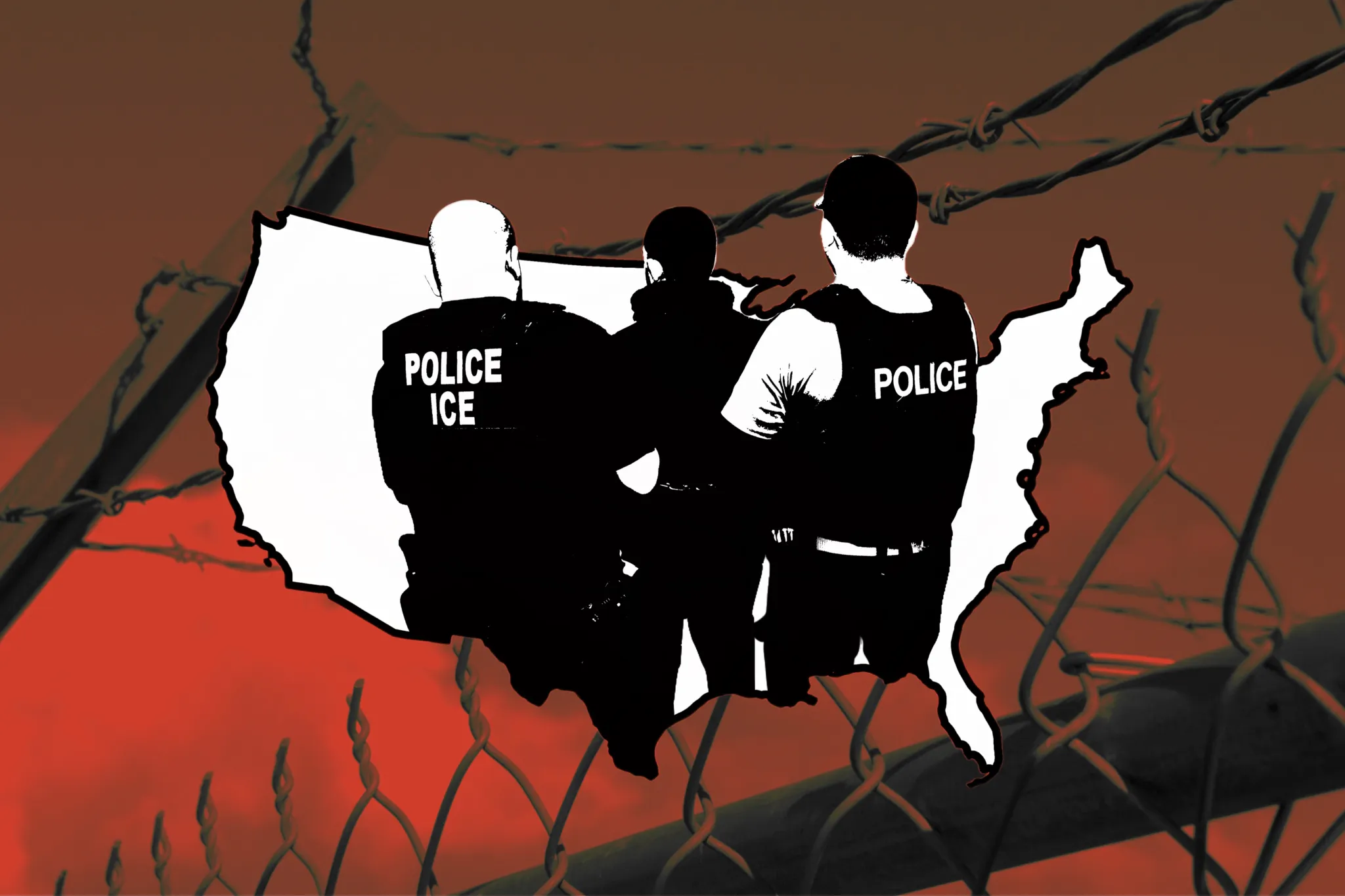
Rose: No, not at all. I was deported because I was what they call an “illegal alien”. My concrete situation was I did have documents, I had a work permit, SSN, I had a pending process before USCIS, but they are forcing people like me, with all kinds of immigration cases pending, to sign up for “voluntary departure”. They detain you and threaten to keep you there if you want to continue fighting for your case, or “voluntarily” depart. Of course none of this is voluntary, because nobody wants to be detained and have their family paying lots of money to attorneys and wait for months or years until a judge can say “you can stay”, which does not happen quite often. Even people with no documentation whatsoever pay taxes through something called ITTN. “Illegal”, “undocumented” are just very confusing terms at this point. By getting rid of due process they can just skip the complexities of each process and deport or force you to “voluntarily” deport. I think that migrants are people of many types, I spent time with many of them, they don’t necessarily have combative politics. It wasn’t political motivations of that type that are behind deportation, or mine particularly. However, I did take up the task of making the ICE and border patrol agents understand that I had class consciousness. Many of them didn’t understand what they were doing, I could see it in how they handled the matter. I told them they were cowards and killers. I was detained just a week after Renee Good was killed by the way, and saw in the news, while detained, how Alex Pretti was murdered. The US has big problems, one big problem is the drugs that cause issues among families in the peoples of the US, but they don’t care about that, they were picking up workers, harmless people, while the real criminals live in Florida, in NYC, and are friends with American politicians like Juan Orlando Hernandez–former president of Honduras–accused of trafficking cocaine to the US and pardoned by Trump.
Corriente Popular: Do you feel comfortable sharing a bit about what the experience of being deported was like? What was your experience of arriving in Colombia?
Rose: I was travelling with my husband, taking a break from work. We got to know Philadelphia, it seemed to me a very proletarian city, working class, in some parts it gave me the same feeling as Latin America. I liked the art there a lot. I got to know New York, too. Arriving back home, I had that encounter with ICE and border patrol. And yeah, well, that’s where everything began, they grabbed us, they read the car plates and with that information they see [your status] (Note: agencies use that information to see who owns the car, then look that up in the immigration system to find out the status of that person). I was driving my husband’s car, they had his photo. I was driving with him. They scanned his license plate while we were in the state of New York. There’s companies like Palantir that provided technology for those purposes, to see who connects to public WiFi, for various things that facilitate the process of fabricating a cause for deportations. I think of it more as a fabrication, a manufacture, meaning that since they don’t have warrants, but only a quota to meet, they are just desperate to find whoever is deportable by any means, without a due process. I think of it as them making sure of having their “casus belli” in order to proceed with detentions and deportations. There, they put us into a patrol car, and they took us to a station in Batavia. That’s where I was, with him. Every move that was done I was chained. They moved us to a private detention center from the border patrol office. Each transfer, from an office to a detention center, from here to a hospital, we were chained, hands, hips and ankles. That is not normal, it is humiliating. I was in various detention centers in the country, in New York, Louisiana, Texas. It was almost three months, lots of things happened.
Something interesting from the get-go was that the more aggressive officer was this hooded officer, this Puerto Rican. They used a good-cop, bad-cop system. The “good cop” was this whitey, this blonde. The other was more aggressive, threatening, that was the Latino one. And yeah, that’s more or less how it happened. Later, also, we—rather, I—was really scared that I would be separated from my husband, who is terminally ill. In those moments it felt really horrible. He was my only family. Being with him was incredibly important at that moment.
They took him to do medical tests, they separated us by force, they choked him, they cuffed him, they chained him. Another latino guy squeezed his neck with his hand for no reason. That was the most intense moment in that whole period. The detention center guards are different—I had various conversations with them. We went through different private detention centers, that’s a whole other experience, the name of the company escapes me. I’ve seen it in the news, they’re friends of Trump. I think it’s various companies. There, the dynamic is different, they’re not federal agents. One feels like they could do anything. They have a larger margin to work in, the private ones. Among the guards I feel that there’s some that were collaborators in solidarity with the immigrants, and some that weren’t. There were people that were more hostile to migrants, or were more ideological, and some that on the other hand tried to treat the migrants with some respect as they worked. I was detained with very interesting people, from Cameroon and other African countries, Arab people, etc. The Africans and Asians were the ones that spent the most time there, 8, 9, 10 months. Some had even spent years there. There’s less of them, they deport them in a process of commercial flight. The latinos, we get deported in charter flights that go out continually, but since there are more of us it still takes a while, for me it took more than 2 months. The flights to Guatemala were daily. Those from China had a flight every six months. From countries like Pakistan, countries like that, those suffered quite a bit. Not even to speak of the Palestinians, they’d humiliate the Palestinians by deporting them to Israel, Israel would reject them, they’d spend a while in limbo without knowing where they’d be deported to. They ask Egypt too, they say they won’t receive immigrants that aren’t from their country.
It was two and a half months, two months and twenty days, something like that that I spent in there. January to March. It was a very interesting dynamic, it was worth it to make it through, I discovered much firsthand, it’s important to live it, it was incredibly valuable for me, although of course I suffered, it can’t be said that I didn’t suffer. But lots of people lived it, those are things in life that when you live through it you learn a lot.
Corriente Popular: In what ways have your organizing experiences in Colombia and the States been similar, and in what ways are they distinct?
Rose: These days we were in a march here in Medellin, the trans march, which happens after pride every year. I was there, speaking with my friend from Germany who works with immigrants. She said that she doesn’t know why people immigrate to the first world thinking life is better—but the difference is obviously noticeable in countries like Germany! Here in Medellin, you’ll see various areas in the same city, at the edge of the city, without water, without any public services, without schools, without power. As though there’s parts of the country that are living in situations of great abandonment. You do see things like that sometimes in the first world, although much less: I was talking with a Colombian trucker that I was detained with and he said: there’s parts of Louisiana where people live along the rivers and are vulnerable to floods, like in Colombia. The levels of misery and poverty here [in Colombia] are much greater though, which doesn’t mean that in countries like the US people live that well. Everywhere, life is easier for the rich, and for workers and the poor it’s more complicated. In Colombia, the level of poverty of the masses and the character of their fights is for much basic demands of rights. Water, highways. The good highways are all for raw goods export to the first world. The highways used by campesinos [ambiguously peasant or rural proletarian] to sell local products are inadequate. Electricity, schools, water, health, these are the struggles here. When I was accompanying a strike in Chicago, the workers were black and latino—as you [Americans] say: hispanics. The supervisors were whites. Regardless, there, the ones that were striking were paid, they were fighting for better conditions, but what they earn is so much more than what a worker here in Medellin could earn. When a strike breaks out here, it’s very different. I accompanied a strike of women, of workers from a factory here in Medellin, they weren’t getting their pay, that’s why they had to go out on strike. Here, there’s a much more acute condition of survival. In the USA, it’s not always a question of life or death, there’s not the same urgency. Even the student fights over here are much more clearly about the public character of education, the only guarantee for the study of the peasants and the workers. In the US, education costs much more, even some in the middle class don’t study. I didn’t get to know the student struggle in the US very well, only the worker struggle, but I would say that the fact that education in the US is so inaccessible and so often private made me feel that it’s quite different. For good or bad in the public universities of latin america there are many proletarian children, children of peasants and rural workers. I don’t know to what extent the poorest among the US can study. It’s a broad and complex topic. In any case, the people have to fight. Everywhere, people have to fight. It’s a common responsibility.
Corriente Popular: For the last six months there have been many raids and kidnappings by ICE agents, sometimes resulting in murders. In that same period, yanqui imperialism has become more shameless and merciless. Of course, there is the war against Iran, the kidnapping of Maduro, the sanctions against Cuba, and many other examples. We don’t have enough time to talk about them all. Do you see any connection between the violence on the domestic front and the international front from the USA, and other imperialist countries?
Rose: The violence against immigrants is a matter that consists in the need for labor–depending on the state of the US economy, the doors are opened to this spigot of cheap labor. When a worker leaves their home country, they do a favor to their destination country: you’re one more hand, one more brain to produce within its economy. You’re depriving your origin country of these, of this labor. The material conditions of imperialism that produce this are many. This is a constant within imperialism. People migrate to where there’s opportunity. Capital also migrates to where returns are greater. The repression against immigrants serves greatly a propagandistic purpose, to create an expiatory lamb, to not blame the imperialist system but to blame the migrants. Deporting immigrants has an ideological aspect, it has a soothing effect for the American working class, it is supposed to help people make sense of the problems in their lives. The truth is, the cheap work of immigrants is important to control the effects of inflation. The repression, making immigrants suffer, is something that the government can point to and then can say to the American people that it’ll improve their life conditions. Many people stopped working during COVID, making up that labor was necessary. Always, as we approach World War, there are greater migratory restrictions. Passports came about in a context of war. The US on the one had produced a national idea, they pretend to erase class through their punishment of immigrants, but in actuality be preparing for exterior wars, typical of an era of crisis. This idea is going to be difficult to sustain. In the 20th century the bourgeoisie had the welfare state, even fascism took part in this, but who knows how the neoliberal bourgeoisie will feed and keep the masses calm now. On the global stage, the situation is quite acute. In the United States I met many people who did not have hatred toward immigrants, but the ones that did were very loud. Many proletarians will blame those who are even worse off than they are, this is why we need to conduct mass work to see the enemy clearly, to engage clearly in class struggle.
Corriente Popular: What can you tell us about the character of the anti-imperialist movement in Colombia? What lessons could you share from which other comrades might learn?
Rose: I think the anti-imperialist movement in Colombia is born from the colony, from when we were part of the Spanish Empire. Since then there have always been sectors of the people willing to struggle against various forms of oppression. Indigenous people, campesinos, the working class. There’s a very important episode from our history; the massacre of the bananeras, when the United Fruit Company, which is now called Chiquita, ordered a massacre, a bloodbath for the Colombian workers on strike. This US company had its railways, robust infrastructure, they had banana export economy; when the workers united to struggle against the abuses, they were brutally massacred. The students, too have fought against the imperialist structure in education, the attempt to impose in Latin America a type of education that serves the current needs of the imperialist system. The reality for us makes clearer the connection between domestic and international imperialist domination. This is something that escapes the consciousness of a worker in the United States more easily, seeing the connection between their own labor exploitation and the imperialist exploitation of the world. For us, for example, out in the countryside, we know that many of the massacres committed among unionists and peasant leaders are done in the name of foreigners that use paramilitaries to assassinate our leaders in social struggle, this makes evident the connections between the forms of domination of our national bourgeoisie and those of the international imperialist bourgeoisie. The president-elect of Colombia has said nothing of the murder of Joan Sebastian [Colombian immigrant recently murdered in the US by ICE]. That murder hurt me deeply, because it could have easily been me. When you know that you’re about to be kidnapped by masked men that hate you, who could hurt your family, you don’t know how to act. I had a script memorized, my rights and everything, but none of that comes to mind at the moment of detention. I know he didn’t even try to run over the ICE agent, but in any case there is no justification to murder the proletariat in this way. The president of Colombia is a US citizen–here, too, the connection is clear between the comprador bourgeoisie and international imperialism. These connections are connections from which our sisters in the first world can learn: internalize them, teach them to your comrades among the working class of the first world. There can be no welfare for me and mine while harming others: not just because it’s unacceptable, but because this order can’t last long. At the same time, we have things to learn from the struggles there, about racism, for example. The Black Panthers, they help us talk about racism here, about how imperialism injures the national culture, wounds our way of seeing ourselves, punishes us for speaking our language. Of course, Spanish is a colonial language, but even then, many here think they are better because they speak English. Those of you from an immigrant context have a special opportunity to understand these things.
Corriente Popular: In light of this interview, it might be important to talk about proletarian-internationalism. What does proletarian-internationalism mean to you?
Rose: I thought much about this concept of proletarian internationalism because when I was detained I had at my side workers from the world over: Mexico, Cuba, Venezuela, Guatemala, Pakistan. There were many cultural differences, sometimes important ones, but all of us there understood we had a common enemy. We understood this by the fact of our enclosement there. One might migrate with the illusion that in the US there is a superior form of life: the American mode of life. But when you’re there, caged, many begin to reflect. They realize what the American dream is really about. Among all these nations there was something in common: we were exposed, vulnerable to racism and deportation, and we had to work to live. All other differences passed onto a relative plane at the moment of struggle against injustice and the way in which they wanted to violate our dignity. The hunger strikes that are taking place now within the detention centers are of great note. Within them are people of many different nations.
Friendship is made in these spaces. As a homosexual, I spoke with many Muslims with no problem at all, I embarked upon friendship with them without issue. I got along best with a Palestinian. Proletarian internationalism is about what unites us, we must insist upon that unity, to end oppression in each of our countries, to be able to move about the world without it being a question of hunger. It’s beautiful to travel the world. It sounds a bit hippie of me, maybe, but many parts of the USA were beautiful to me. I would like to one day know that natural beauty again. It will only be possible without this oppression caused by imperialism. Many people travel only out of desperate need. Proletarian internationalism is realizing as a whole work force we have more in common than not.
Corriente Popular: In what ways can the exploited countries take action to put an end to imperialism? In what ways can the proletariat in the imperialist countries take action?
Rose: There’s many struggles in the history of Latin America. The Cuban revolution inspired many people in Latin America, that’s why the Cuban people are being so harshly punished still by the US. Many popular sectors in Latin America have wanted to do something like this. There’s much to learn from those struggles, from those errors. In Colombia we’ve had many examples, many which have led to failure, to claudication, abandonment, but there’s many tasks to complete within these struggles. We have to study the lessons well and carefully, not just with erudition but with practical knowledge for application in the present. The correct critical and practical balance has yet to be reached. It’s important to reach the balance in popular organizations of all kinds, and that we overcome the imperialist discourse of terrorism and narcoterrorism. If there is a terrorist, it’s the USA. Many say the first narcostate was the English, the British state. These days, it’s the same with cocaine, many of the profits are in banks in the first world or random islands, or in the hands of politicians that are partners with narcos in Colombia, US and other countries. We can’t fall into the discursive trap of castigating or liquidating a movement by calling it this [terrorist, narco-terrorist]. We must achieve a critical balance from the peoples’ point of view, not theirs. We must bring forth these fights from the people, love for the people, for the selfsame masses, respecting the best of our culture. The promotion of an anti-imperialist culture and autonomy. Facing ourselves as a people–here in Colombia there’s much division, the elections themselves work to divide the people, they’re a tool of domination, above all else. We must learn to achieve balance, and to be fearless.
The student encampments were exemplary; we saw them as something clear: the students put forth a more decided, more combative struggle. We have to rescue that, to make a critique of it, but it radiates a lovely example to all the peoples. It shows to the people that the only fight isn’t just for my belly, that struggle has a heart, too, for those who suffer by the actions of my own country. It’s a great example of organization and there’s something to be learned from it. Diego Rivera, the Mexican painter, did a mural of workers in Detroit, which I saw. He supported, too, the struggle of the Mexican workers in the US–an example to be followed. Organizing among immigrants, whether in the detention centers or without, inconveniences only the right and the fascists. Many immigrants are scared to organize, to defend themselves at work, we’re a caste without rights, it’s difficult to do. It’s a hard task, organizing ourselves, but that’s the task.
Corriente Popular: What words can you offer the most ardent sector of anti-imperialists within the US, particularly anti-imperialists from the Latin American diaspora?
Rose: Anti-imperialists in the US from the Latin American diaspora are in a very interesting position: by their families and their own lives they can know intimately how imperialism acts in the countries of the third world. Also they’re able to see the functioning of their own countries from within the imperialist states. This is an opportunity to be very combative. As we come to greater consciousness, we ought to be more combative, we ought to contribute more to our people with tools to organize, to become able to struggle. I think, too, I have great admiration for all migrants. More so in a country like the US, with the particular history of racism it has. Something I want to say to anti-imperialists in the US: in all the countries of the world we are willing to learn from you–that leaves you with an enormous responsibility.
The matter of land: since the story of capitalist development in the USA is distinct, the topic of the latifundio is not as well known. The genocide of the indigenous peoples is known, but not so much about what happened here, how many of the peasants in Colombia are in a constant struggle for land. It would be interesting that this be better understood in the US. The latifundistas force the peasants into semi-feudal methods of work for export goods. It’s crucial to see how these things tie together. Our outgoing president [G. Petro] did little for the peasants, and the little he did, he didn’t do very well, there were no guarantees. The next president has decided that he comes with every intention to aid in the expulsion of the peasants [from their lands]. We have great fear and rage at the oppression of peasant organizations, which are displaced in a process of retaking our lands. This semi-feudal landlord class is grasping still to power. These people, in fact, are very tied to drug trafficking, it’s a challenge for Colombia that also does great harm to the peoples in the USA, drugs affect people very profoundly there.
That’s why I think it’s relevant that you know about the land struggle in Colombia, so that these flags can also be waved within the US. You know, I worked in Mexico, before making it to the US, picking strawberries, the very same strawberries I recognized at Aldi in Chicago. It’s essential that this conscience be grasped in order to understand what is the context within which the first world is sustained by the third, and the rights and struggle of the proletariat which labors for these things, not just domestically in California, but in Mexico, in Colombia, all over the world.
Español
Prefacio
La Corriente Popular fue puesta en contacto con un camarada de nuestro movimiento que fue deportado el año pasado de Estados Unidos a Colombia. Este camarada es activista, antropólogo y colaborador ocasional de la publicación colombiana Nueva Democracia llamado Rose. Un principio fundamental de los principios rectores de la Corriente Popular Damián García es su postura contra el anti imperialismo y a favor del internacionalismo proletario. Sostenemos que la principal contradicción en el mundo hoy es entre el imperialismo y las naciones oprimidas, y buscamos movilizarnos, politizarnos y organizarnos, las masas, para derrocar este sistema inaceptable.
El modo de producción capitalista crea formas agudas de explotación laboral al fabricar una continua afluencia y expulsión de inmigrantes “ilegales”; esto forma parte de la relación de intercambio desigual que el imperialismo provoca. La precaria posición legal de estos trabajadores les hace temer organizarse y les obliga a trabajar por salarios más bajos que los ciudadanos del imperio. Esta fuerza proletaria que es absorbida y expulsada de los Estados Unidos tiene una perspectiva única sobre el imperialismo: roza sus colmillos, es devorada y a veces sobrevive para contar la historia de lo que ocurre exactamente en el interior más profundo de la bestia, su verdadero vientre: sus prisiones, sus campos de esclavos, sus campos de concentración. Esta entrevista describe la llegada a la conciencia, a la solidaridad y al análisis que pueden ocurrir dentro de los centros de detención. A lo largo de este verano, el verano de 2026, se han producido huelgas de hambre organizadas en varios centros de detención de todo el país. Nuestras hermanas, hermanos y otros dentro constituyen algunas de las masas más bajas y profundas, y Corriente Popular cree que debemos embarcarnos en un proyecto de solidaridad con ellos como antiimperialistas, una cuestión que se aborda de manera profunda en esta entrevista: “Hay algo que le quiero decir a los anti-imperialistas en los Estados Unidos: En todos los países del mundo nosotros estamos también dispuestos de aprender de ustedes–eso les deja una gran responsabilidad.“
Entrevista
Corriente Popular: ¡Hola compañera Rose! Antes que nada, queremos empezar con una oportunidad para que te presentes con nuestros lectores estadounidenses y que compartas un poco sobre ti, sobre tu vida y donde te ubicas dentro del movimiento.
Rose: Pues yo soy antropólogo, estudie en la universidad pública aquí en Medellín Colombia. Las universidades públicas son absolutamente importantes en la lucha de clases en América Latina. Ahí me formé políticamente, conocí muchos camaradas, como en luchas principalmente estudiantiles, como luchas en el campo, luchas en las áreas más pobres de la ciudad. Sobretodo esas luchas fueron mi mejor formación en ciencias sociales, y eso también ha informado mi perspectiva de la vida. Por razones de aventura sobre todo, quise migrar a los EEUU, trabajar un tiempo con mi esposo que también es colombiano. Alla, tuve un acercamiento tanto al proceso de inmigrar y un acercamiento a un tema que me gusta estudiar que es la inmigracion. Aquí los llamamos desplazados, personas que vienen del campo a la ciudad, que vienen principalmente por causa del conflicto armado, por oportunidades económicas. Con ellos aprendí mucho sobre lo que es la migración… Eso es parte de mi perfil, mi activismo se enfoca en trabajar con las masas más pobres, hay cosas que he vivido que me han ayudado a entenderlas.
Corriente Popular: Hace un rato algunos compañeros nos informaron un poco sobre tu deportación de los EEUU a Colombia. Crees que esto tuvo alguna conexión a tu trabajo organizativo o a tu perspectiva ideológica?
Rose: No, para nada. Fui deportado por ser considerado un “illegal alien”, así nos llaman ellos. En los centros de detención hay personas sin ningún documento, con SSN y permisos de trabajos (mi caso), que entraron con visa, que entraron sin visa pero están en proceso de asilo, o están casados con ciudadanos, etc., etc. Todo tipo de personas que, para quitarse de encima la complejidad de cada caso, ICE y el gobierno están deteniendo, deportando y/o forzándolas a deportarse. A estas alturas, ser “ilegal”, o incluso ser “indocumentado” (mucha gente sin documentos paga, aún así, impuestos), son términos muy confusos porque igual todos quienes tienen casos pendientes ante migración son susceptibles de ser detenidos. Yo incluso pienso que los migrantes son personas de muchos tipos, conviví con muchos de ellos, no tienen una política necesariamente combativa o de izquierda. Yo pienso que no son razones políticas las que están detrás de la deportación y particularmente de la deportación mía. Eso sí, yo me encargue de que los agentes de ICE y la patrulla fronteriza que me detuvieron entendiesen que yo era un deportable que tenía consciencia de clase, muchos de ellos ni siquiera entendían lo que estaban haciendo, lo veía en como manejaban el asunto, les dije que eran cobardes y asesinos, fui detenido justo una semana después del asesinato de Renee Good y luego vi mientras estaba detenido cómo asesinaron a Alex Pretti. Un problema muy grande de USA son las drogas que causan problemas entre familias en el pueblo en los EEUU, pero no les importaba eso, más bien cogían trabajadores, gente tranquila, mientras los grandes capos del narcotráfico viven en Florida o en NYC y son amigos de los políticos estadounidenses, como Juan Orlando Hernandez, expresidente de Honduras, acusado por la misma justicia estadounidense de tráfico de cocaína a ese país y luego indultado por su amigo Trump.
Corriente Popular: ¿Te sientes cómoda compartiendo un poco sobre tu experiencia con la deportación? ¿Cómo fue tu experiencia de llegar a Colombia?
Rose: Estaba viajando con mi esposo, tomando vacaciones del trabajo. Conocimos por ejemplo, Filadelfia, me pareció una ciudad bastante obrera, de clase obrera, varias partes las sentí como latinoamérica. Me gustó mucho su arte. También conocí Nueva York. Ya de vuelta a casa tuve ese encuentro con los de ICE y la patrulla fronteriza. Y si pues ahí fue que empezó todo, nos agarraron, leen las placas de los carros y con esa información ven el status migratorio de la persona. Yo estaba manejando el carro de mi esposo, tenían una foto de él. Yo venía manejando con mi esposo, en el estado de nueva york leyeron sus placas, hay empresas como palantir que le han dado la tecnología para cosas asi, para ver que personas se conectan a red públicas de wifi, y otras varias formas que le facilitan el proceso de fabricar personas deportables–yo pienso que es más una fabricación. Ahí nos metieron a una patrulla y en esa patrulla nosotros, nos llevaron a una oficina de la patrulla en Batavia. Y ahí estuve con él, cada movilización que se hacía, encadenado de manos, cintura y pies. Nos movieron de la oficina de la patrulla fronteriza a un centro de detención privado mientras estaba encadenado. Estuve en varios centros de detención en el país, en Nueva York, Louisiana, Texas, cada uno de esos traslados los hice encadenado de manos, cintura y pies. Para sacar a una persona enferma a un hospital, era encadenada de la misma manera. Gente en silla de ruedas era encadenada de esta manera. Fueron casi tres meses, pasaron bastantes cosas. Algo interesante desde el principio es que el más agresivo era el encapuchado, era puertorriqueño. Usaban el sistema good cop bad cop. El “bueno” era blanquito, rubio. El otro llegó más agresivo, amenazándonos, ese era latino. Y si, así pasó más o menos todo. Luego también nosotros, pues yo tenía mucho miedo que me separaran de mi esposo, quien tiene una enfermedad terminal. En esos momentos estar solo se siente bastante feo. Él era mi único familiar. Estar con él era muy importante en ese momento. Lo llevaron para hacer unas pruebas médicas, nos separaron a la fuerza, lo ahorcaron, lo esposaron, lo encadenaron. Otro latino le apretó el cuello con la mano. Tuve varias discusiones ahí con ellos. Ese fue el momento más intenso de todo el periodo. Pasamos por centros de detención privados, fue otra experiencia, el nombre se me escapa, lo he visto en varias noticias, son amigos de Trump. Creo que son varias empresas. Ahí las dinámicas son diferentes, no son agentes federales. Siente uno qué pueden hacer cualquier cosa. Tienen mayor margen de maniobra los privados. Entre los guardias yo siento que hay algunos guardias que fueron colaboradores y solidarios con los inmigrantes y otros que no. Hay gente que es más hostil a los inmigrantes o es más ideológica y hay otros que al contrario intentan hacer un trabajo donde tratan al migrante con respeto. Fui detenido con personas muy interesantes, de Camerún, otros países africanos, personas árabes. Los africanos y asiáticos eran los que más tiempo pasaban ahí, 8,9 meses, 10 meses, incluso algunos que tenían años ahí. Son menos, los deportan en vuelo comercial, a los latinos nos deportan en vuelos que se llaman vuelos chárter y estos son vuelos que están continuamente. Los vuelos a Guatemala pasaban todos los días. Los de China tenían un vuelo cada seis meses. Los de países como Pakistán, ellos sufren bastante. Ni siquiera hablemos de los palestinos. A los palestinos los humillan deportandolos a Israel, Israel dice que no, pasan un tiempo en limbo sin saber a dónde los pueden deportar. Le preguntan a Egipto, y dicen que no van a recibir inmigrantes que no son de su propio país. Fueron dos meses y medio, dos y veinte días, algo así. De enero a marzo. Es una dinámica muy interesante, valió la pena librarla, conocí mucho a primera mano, es importante vivirlo, fue muy valioso para mi, aunque claro sufrí, no se puede decir que no sufrí. Pero muchas personas lo vivieron, esas son cosas en la vida que cuando pasas por ello aprendes tanto.
Corriente Popular: En qué formas crees que tus experiencias organizando en Colombia y en los Estados Unidos se asemejan, y en qué formas son distintas?
Rose: Estos días estamos en una marcha aquí en Medellín, y después del pride se hace la marcha trans. Estaba hablando con una amiga de Alemania que trabaja con inmigrantes, me decía que no sabía porque la gente emigra a países de primer mundo. La diferencia si se nota en países como Alemania. Aquí en Medellín vas a ver zonas de la misma ciudad, al borde de la ciudad, sin agua, sin servicios públicos, sin colegio, sin energía. Como si hubieran partes del país que viven en situaciones de gran atraso. Hablando con un camionero colombiano cuando estaba en detención me decía: hay partes de Louisiana donde la gente vive junto a los ríos. Los niveles de miseria y de pobreza aquí son mucho más grandes, lo cual no significa que en países como los EEUU la gente vive muy bien. En todo el mundo la vida es más fácil para los ricos, y para los obreros y los pobres es más complicada. En Colombia el nivel de pobreza de las masas, el carácter de las luchas es por derechos mucho más básicos. Agua, carreteras. Las buenas carreteras son para la exportación de materias primas que van al primer mundo. Las carreteras que usan los campesinos para vender productos locales son básicas. Electricidad, escuelas, agua, salud, esos temas son las luchas aquí. Yo diría que esa es una diferencia grande. Cuando estaba acompañando una huelga en chicago, los obreros eran negros y latinos, como dicen ustedes hispanos, los supervisores eran blancos. Sin embargo, allí los que estaban en huelga estaban siendo pagados, tenían pago, estaban luchando por mejores condiciones, pero lo que ganan es mucho mayor a lo que un obrero aquí en Medellín puede ganar. Cuando una sale a huelga aquí, yo acompañé una huelga de mujeres, trabajadores de una fabrica aqui en Medellin, no tenían su salario, por eso es que salir a huelga aca tiene una condición mucho más de supervivencia. En los EEUU, no necesariamente es tanto una cuestión de vida o muerte. No es a un nivel tan urgente. También las luchas estudiantiles acá eran luchas por el carácter público de la educación, la educación pública es la única garantía de que los obreros y campesinos puedan estudiar. En EEUU la educación es mucho más costosa, aún gente en la clase media no estudia. No conocí bien las luchas estudiantiles estadounidenses, sólo las obreras, pero yo diría que el hecho de que la educación en los EEUU sea tan inaccesible y también tan privada me hace sentir que puede ser muy diferente. Bien que mal en las universidades públicas latinoamericanas hay muchos hijos de obreros, de campesinos. No se que tanto los hijos de los más pobres en los estados unidos puedan estudiar. Es un tema bastante amplio. Lo que si, es que la gente tiene que luchar. En todo parte tiene que luchar. Es una obligación común.
Corriente Popular: En los últimos seis meses han habido muchísimas redadas y secuestros por agentes de ICE, a veces hasta resultando en asesinatos. En ese mismo periodo, el imperialismo yanqui se ha vuelto aún más descarado y despiadado. Claro, hay una guerra con Irán, el secuestro de Maduro, las sanciones contra Cuba, y muchos otros ejemplos-nos falta el tiempo para hablar de todos. ¿Ves alguna conexión entre la violencia doméstica e internacional estadounidense y en los otros países imperialistas?
Rose: La violencia contra los inmigrantes es un tema que consiste en que la burguesía monopolista necesita ese trabajo y, dependiendo del periodo y el estado de la economía de los EEUU, abren las puertas a esa fuente de trabajo barato. Cuando uno como trabajador se va de su país, le hace un favor al país de destino. Eres una mano más, un cerebro más para producir en la economía. Le estás quitando esas manos, ese trabajo a tu país de origen. Son muchas las condiciones materiales imperialistas que producen eso. Eso es una constante en el capitalismo. La gente migra a donde hay más oportunidades. Los capitales también migran a lugares donde el retorno sea mayor. La represión contra los migrantes en el país tiene un propósito propagandístico, es generar un chivo expiatorio, no culpar al sistema imperialista sino a los inmigrantes. Deportar inmigrantes tiene un aspecto ideológico, a muchos miembros de la clase obrera EEUU les hará sentido, piensan que esto tendrá un efecto de alivianamiento de los problemas en sus vidas. En realidad, el trabajo de inmigrantes es importante para el control de la inflación, pero reprimiendo a los inmigrantes, que algunos ven como la causa de la inflación, el sector más retardatario del pueblo estadounidense piensa que esto va a mejorar sus condiciones de vida. Mucha gente dejó de trabajar durante COVID, y la economía de USA necesitaban trabajadores baratos. Otro asunto es que, siempre que nos estamos acercando a una guerra mundial, hay más restricciones migratorias, los pasaportes se crearon en contexto de guerra. El país de los EEUU por un lado producen una idea nacional, borran las diferencias de clase a través de castigar los inmigrantes, también prepararse para más guerras en el exterior, típicas de una época de crisis. En el siglo XX la burguesía tenía el estado del bienestar, hasta el fascismo era parte de esto. No se como esta burguesía neoliberal le va a dar de comer, va a mantener tranquila a las masas. Es una situación más aguda dentro del escenario mundial. Conocí mucha gente que no tenía odio hacia los migrantes, pero los que sí son muy ruidosos. Mucha gente de clase trabajadora culpa a los que están peor que ellos, por eso es necesario el trabajo de masas para ver el enemigo, la lucha de clases.
Corriente Popular: ¿Qué nos puedes contar del carácter del movimiento anti-imperialista en Colombia? ¿Qué lecciones puedes compartir de las cuales otros compañeros podrían aprender?
Rose: Yo pienso que el movimiento anti-imperialista en Colombia nace desde la colonia, desde cuando éramos parte del imperio español. Desde entonces siempre han habido sectores del pueblo dispuestos a luchar contra varias formas de opresión. Indígenas, campesinos, la clase trabajadora. Hay un hecho fundacional de nuestra historia, la masacre de las bananeras, cuando UFC, que ahora se hace llamar Chiquita Brand, bajo sus órdenes cometió una masacre, un baño de sangre para los trabajadores colombianos. Esta compañía estadounidense tenía vías férreas, bastante infraestructura, tenían una economía exportadora de bananas, cuando los trabajadores se unieron para luchar contra los abusos fueron brutalmente masacrados. Los estudiantes también han luchado contra la estructura imperialista de la educación. La realidad para nosotros hace más clara la conexión entre las estructuras de dominación doméstica e internacional imperialista. Esto se le escapa más fácilmente a un trabajador en los estados unidos, ver la conexión entre como su explotación está aliada a la explotación en el resto del mundo. Para nosotros por ejemplo, en el campo, como muchas de las masacres cometidos entre sindicalistas y líderes campesinos que hacen al nombre de extranjeros, que usan paramilitares para matar líderes sociales hacen muy claros las conexiones entre las formas de dominación de la burguesía nacional en Colombia y la dominación de la burguesía internacional imperialista. El presidente electo de Colombia no ha dicho nada del asesinato de Joan Sebastián. Ese asesinato me dolió bastante porque fácilmente podría haber sido yo. Cuando sabes que te va a secuestrar alguien encapuchado quien te odia, alguien que puede lastimar a tu familia, no se sabe cómo actuar. Yo tenía un guión memorizado sobre mis derechos, sobre exigir una orden firmada por un juez, pero nada de eso viene a la cabeza en el momento de la detención. Ninguno de los que ha asesinado ICE, ciudadanos o inmigrantes, ha intentado atropellar como ellos dicen, pero en cualquier caso hay justificación para asesinar a los trabajadores de esa manera. El presidente de Colombia es ciudadano estadounidense– ahí está muy clara la conexión entre la gran burguesía entrelazada con el imperialismo internacional. Esas conexiones son conexiones de las cuales pueden aprender nuestras hermanas del primer mundo: interiorizarlas, enseñarlas a sus compañeros de la clase trabajadora del primer mundo. No puede haber bienestar para los míos haciéndole daños a otros: No solo es inaceptable pero no puede durar mucho tiempo. A su vez nosotros tenemos cosas que aprender de las luchas allá, sobre el racismo, por ejemplo. Las panteras negras, por ejemplo, nos ayudan a hablar del racismo, del cómo el imperialismo hiere la cultura nacional, hiere nuestra forma de vernos a nosotros mismos, nos castiga por hablar en nuestra propia lengua. Claro, el español es una lengua colonial, no hay nada inherentemente combativo en hablarlo. Pero muchos en Colombia piensan que son mejores por hablar inglés. Los de ustedes que vienen de un contexto inmigrante tienen una oportunidad especial para entender esto.
Corriente Popular: Creemos que es importante abordar el tema del internacionalismo proletario en esta entrevista. ¿Qué significa el internacionalismo proletario, desde tu punto de vista?
Rose: Yo pensé mucho sobre ese concepto de internacionalismo porque cuando estuve detenido tenía junto a mí obreros de todo el mundo: México, Cuba, Venezuela, Guatemala, Pakistán. Había muchas diferencias culturales, a veces importantes, pero todos ahí entendíamos que teníamos un enemigo común. Lo entendíamos por la forma en la cual estábamos ahí todos encerrados. Migras con la ilusión de que en los Estados Unidos hay un modo superior de vida: el modo americano. Pero cuando estás ahí encerrado, muchos reflexionan. Se dan cuenta de que se trata verdaderamente el sueño americano. Entre todas las nacionalidades había algo en común: estábamos expuestos y éramos vulnerables al racismo, y trabajamos para vivir. Todas las diferencias pasaban a un plano relativo a la hora de luchar contra la injusticia y la forma en cual querían socavar nuestra dignidad. Las huelgas que están teniendo lugar actualmente en los centros de detención son algo muy memorable. En ellas hay gente de diferentes nacionalidades. Se hace amistad en esos espacios; yo como homosexual hable con muchos musulmanes sin ningún problema, aborde amistad con ellos sin ningún problema. Uno de los quienes mejor me lleve era palestino. El internacionalismo proletario se trata de lo que nos une, debemos insistir en esa unidad para acabar con la opresión a nuestros países, poder viajar por el mundo sin que sea cuestión de hambre. Es lindo viajar por el mundo, se que suena un poco jipi, pero muchas partes de los EEUU me parecen muy bellas, quisiera algún día otra vez conocer esa naturaleza tan bella. Solo será posible sin esta opresión que causa el imperialismo, mucha gente viaja solo por necesidad. El internacionalismo proletario es la realización de que tenemos más en común como fuerza de trabajo que lo diferente.
Corriente Popular: ¿Qué estrategias ves para que los países explotados actúen en contra del imperialismo, para aniquilar el imperialismo? ¿Qué estrategias anti imperialistas te parecen apropiadas para el proletariado dentro de los países imperialistas?
Rose: Hay muchas luchas en la historia de América latina, la revolución cubana inspiró a muchas personas de América latina, por eso el pueblo cubano está tan duramente castigado todavía por los EEUU. Muchos sectores populares en América Latina han querido hacer algo así. Hay que aprender de esas luchas, de esos errores. En Colombia hemos tenido muchos ejemplos, muchos han llevado a fracasos, claudicación, pero hay muchas tareas por completar de esas luchas. Hay que estudiar bien las lecciones, no solo como erudición, sino como conocimiento práctico para aplicación en el presente. El balance correcto critico y practico falta por hacer, es necesario hacer un balance en organizaciones populares de todas experiencias, y en que superemos el discurso imperialista de terrorismo y narco-terrorismo. Si hay un país terrorista son los EEUU. Mucha gente dice que el primer narco-estado fue el inglés, el británico. Hoy en día pasa igual con la cocaína, mucho del dinero ganado por ella está en los bancos del primer mundo o paraísos fiscales, o en manos de políticos amigos de los narcos en USA, no podemos caer en la retórica de castigar o liquidar un movimiento llamándolo así. Hay que hacer un balance crítico del punto de vista popular, no del punto de vista de ellos. Impulsar también esas luchas de nuestro pueblo, el amor por el pueblo, por la misma gente, el respeto a lo mejor de nuestra cultura. La promoción de una cultura anti-imperialista, también una autonomía. Encararnos como pueblo, aquí en Colombia hay mucha división, las elecciones sirven para dividir el pueblo, por eso son una herramienta de dominación más que cualquier otra cosa. hay que aprender a hacer balance y no tener miedo.
Los campamentos estudiantiles fueron muy ejemplares. Lo vemos como algo muy claro: los estudiantes adelantaron una lucha más combativa, más decidida. Hay que rescatar eso, hacer una crítica, pero irradian un ejemplo muy bonito en el resto de los pueblos, le muestran al pueblo que la única lucha no es solo por mi estómago, pero que la lucha también tiene corazón por quien sufre por lo que hace el propio estado de mi país. Es un gran ejemplo de organización y se puede aprender de ello. Diego Rivera el pintor mexicano hizo un mural de trabajadores y él también tuvo un momento de su historia donde luchó porque trabajadores mexicanos en los Estados Unidos se organizasen. Ese ejemplo se puede seguir. Organizarse entre inmigrantes, sea en los centros de detención y por fuera. A los únicos que no les conviene es a la derecha y al fascismo. Muchos inmigrantes tienen miedo de organizarse, de defenderse en su trabajo, como somos una casta sin derechos, es difícil hacerlo. Es duro organizarse, pero esa es la tarea.
Corriente Popular: ¿Qué palabras le puedes ofrecer al sector más enardecido de anti-imperialistas dentro de los EEUU, particularmente anti-imperialistas de la diáspora latinoamericana? Finalmente, hay alguna o varias campanas actuales en Colombia de las cuales deberíamos saber?
Rose: Están en una posición muy interesante, por sus familias y por sus propias vidas pueden conocer cómo el imperialismo actúa en los países imperialistas y los oprimidos de tercer mundo. Eso es una oportunidad para que sean mucho más combativos. Entre más entendamos, más combativos debemos ser, más debemos contribuir a nuestro pueblo con herramientas para organizarse, con la habilidad de luchar. Yo también pienso que tengo mucha solidaridad con todos los migrantes, tengo mucha admiración también, es algo difícil, más en un país como los EEUU con la historia de racismo que tiene. Hay algo que le quiero decir a los anti-imperialistas en los Estados Unidos: En todos los países del mundo nosotros estamos también dispuestos de aprender de ustedes–eso les deja una gran responsabilidad.
El tema de la tierra. Como la historia del capitalismo en los EEUU es diferente, no se conoce tanto el tema del latifundio. Si se sabe del genocidio de los pueblos indígenas, pero no tanto sobre lo que paso aqui, muchos campesinos en Colombia están en una lucha constante por la tierra. Sería interesante que se conozca más de ello en los EEUU. Los latifundistas fuerzan a los campesinos a métodos de trabajo semi-feudales para materias de exportación. Es importante ver cómo están ligados unos a otros. El presidente que sale hizo muy poco por los campesinos, y lo poco que hizo no lo hizo muy bien, no les dio garantías. El siguiente presidente ha decidido que viene con toda intención de ayudar a los que quieren expulsar a los campesinos. Tenemos temor y mucha rabia que muchas organizaciones campesinas sean oprimidas y desplazadas en un proceso de retoma de nuestras tierras. Esa clase terrateniente semifeudal aquí todavía está aferrada al poder aquí. Esa gente de hecho también está muy ligada al negocio de las drogas, es un negocio que también le hace mucho daño al pueblo estadounidense, las drogas han hecho mucho daño también allá. Por eso creo que será bueno que se sepa más de esas luchas por la tierra en Colombia. que se agiten y conozcan esas banderas también en los EEUU.
Yo trabaje en un campo en México recogiendo frambuesas, son las mismas frambuesas que yo vi en el Aldi en los Estados Unidos. Es valioso que exista esa conciencia, los derechos de los que obran por eso. No solo en California, pero también en México, en Colombia, en todas partes del mundo.